
Flowering Shrubs: NC Mountains High Country Guide 2026
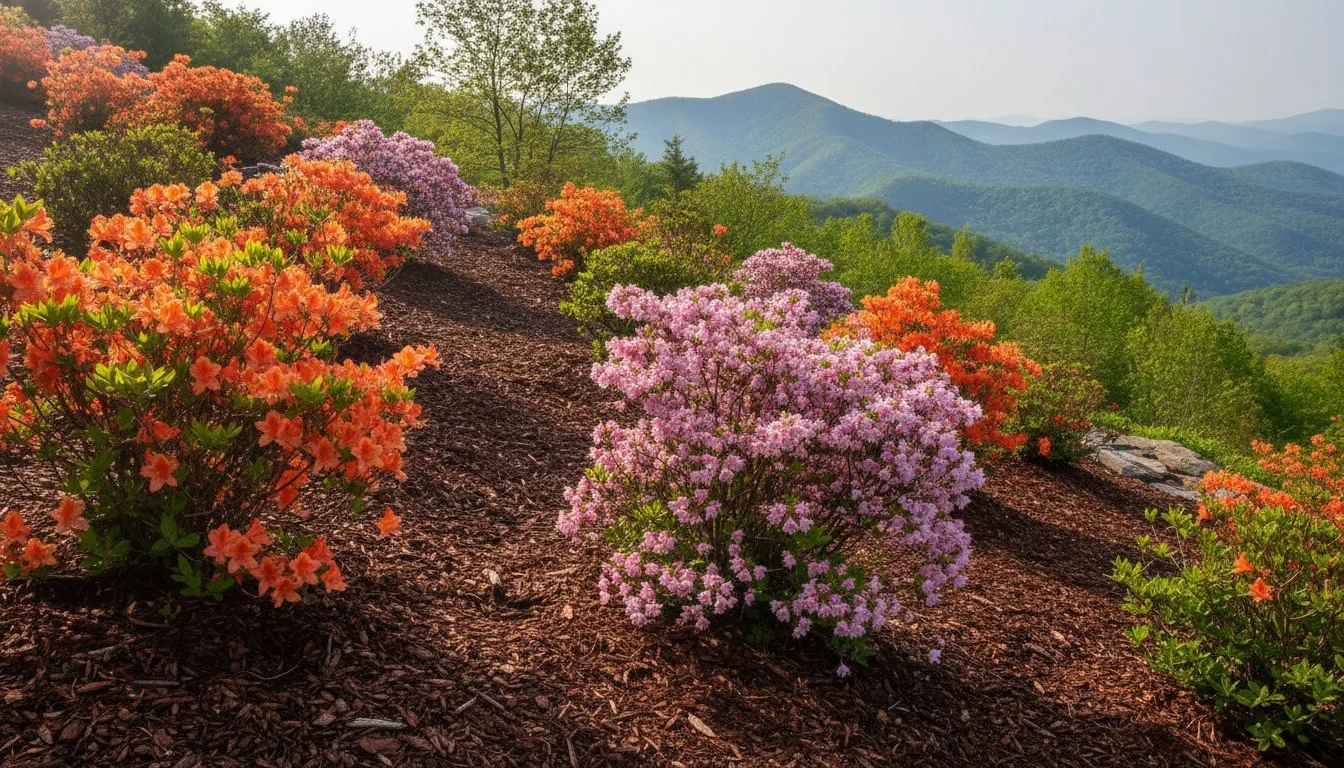
In the North Carolina High Country, a plant labeled "hardy" in a standard catalog often fails the first time a late May frost hits or a heavy October snow settles on its branches. Successfully growing flowering shrubs in the NC mountains requires more than just an eye for color; it demands a strategy built for high elevations, where the weather frequently ignores the calendar. You have likely experienced the frustration of watching a prized nursery specimen succumb to rocky, poorly drained soil or persistent deer browsing. It is a common challenge for homeowners who want a beautiful landscape but need it to survive without constant intervention or replacement.
This guide provides a clear path to a vibrant, dependable yard using species specifically acclimated to our region's unique climate and soil conditions. We will examine the best native and adapted varieties for the 2026 season, including new introductions bred for stronger stems and improved reblooming. You will also learn the ideal planting windows for maximum success and how to use professional-grade materials, such as local hardwood mulch and topsoil, to protect your investment. By selecting the right stock and following a proven maintenance schedule, you can ensure your mountain property remains a point of pride year after year.
Key Takeaways
Identify the specific USDA hardiness zones and elevation factors that dictate bloom cycles and plant dormancy in the High Country.
Select the most reliable native and adapted flowering shrubs NC mountains can support, including varieties bred to withstand heavy snow and late frosts.
Apply the "Mountain Hole" technique to ensure proper root establishment and drainage in rocky or clay-heavy terrain.
Utilize professional-grade topsoil and hardwood mulch to provide the necessary nutrient base and temperature regulation for new installations.
Establish a maintenance schedule based on specific bloom cycles to ensure pruning and deer protection efforts are effective and timely.
The High Country Climate: Why Elevation Matters for Flowering Shrubs
Elevation dictates the success of your landscape more than any other factor in Watauga and Avery Counties. While a plant might be rated for the cold, the rapid pressure and temperature shifts found between 3,000 and 5,000 feet create an environment that standard nursery stock often can't handle. Successfully growing flowering shrubs in NC mountain landscapes can mean looking beyond the tag and understanding local microclimates. This region is part of the broader Appalachian-Blue Ridge forest ecosystem, where high-elevation communities experience shorter growing seasons and more intense UV exposure than those in the surrounding foothills.
Heavy snow loads are a physical reality here. A shrub with brittle wood will snap under the weight of a wet October snow, even if the plant is technically cold-hardy. Truly "High Country Hardy" plants are those that have been locally grown and acclimated to these specific stressors. Finding flowering shrubs in NC mountain nurseries that have already hardened off ensures they not only survive the winter but also thrive when spring finally arrives. This local acclimation is the difference between a plant that merely exists and one that consistently enhances your property's aesthetic.
Managing Late Spring Frosts
Unpredictable April freezes frequently damage the tender buds of early-blooming species. In Boone and Blowing Rock, cold air often settles into the valleys, creating frost pockets that can kill new growth in a single night. To mitigate this risk, we recommend prioritizing late-blooming varieties that remain dormant until the threat of frost has largely passed. You can also protect tender buds during unpredictable April freezes by using temporary covers, but the most efficient strategy is selecting species that naturally align with the mountain calendar.
Wind and Exposure on Mountain Ridges
Properties on Beech Mountain or exposed ridges face constant wind pressure that can compromise plant health. This exposure increases the risk of winter injury, particularly for species with large leaves. Using sturdy evergreens as windbreaks can provide a necessary buffer for more delicate flowering species. Desiccation is the process of extreme drying that occurs when high winter winds pull moisture from shrub foliage faster than the frozen roots can replace it. Selecting wind-tolerant species and applying a thick layer of hardwood mulch helps maintain the root moisture levels needed to combat this effect.
Top Native Flowering Shrubs for the Blue Ridge Mountains
Native species offer a level of resilience that commercial hybrids often lack. While many retailers sell cultivars bred for showy blooms in milder climates, these plants frequently struggle with the acidic, rocky soils of our region. Choosing flowering shrubs that naturally support NC mountains ensures that your landscape integrates with the local environment rather than fighting against it. According to the NC State Extension Plant Database, native selections are better equipped to handle our specific soil pH and moisture levels. This is a critical consideration given that approximately 25% of the 20,000 plant species native to North America are currently at risk of extinction.
The Rhododendron remains the undisputed king of the Blue Ridge. At higher elevations and on rocky slopes, the Catawba Rhododendron produces dense purple blooms in late spring. If you have a shaded, moist area, the Rosebay Rhododendron is a better fit; it offers white to light pink flowers later in the summer. Mountain Laurel (Kalmia latifolia) provides another layer of rugged durability, with geometric blooms that withstand high-elevation winds. Introducing Flame Azaleas adds vibrant orange and yellow hues to the forest edge, providing essential nectar for the Blue Ridge bumblebee and other local pollinators that rely on these specific blooming cycles.
Native Evergreen Shrubs with Winter Interest
A functional landscape requires more than just seasonal color; it needs year-round structure. Native evergreen shrubs like American Holly or Pieris floribunda offer privacy and visual interest even when deciduous species are dormant. Grouping these natives creates a naturalized "woodland garden" aesthetic that mimics the surrounding forest. This approach provides a steady backdrop for seasonal flowers while maintaining property definition throughout the winter months. It's a practical way to balance floral beauty with the need for a dependable, year-round landscape frame.
Benefits of Sourcing Locally Grown Stock
Plants brought up from the Piedmont often experience severe transplant shock when introduced to the cooler temperatures and thinner air of the High Country. Sourcing locally grown stock is a strategic choice for operational continuity in your garden. Shrubs that have already spent years acclimating to mountain weather are far more likely to survive their first winter. You can find locally-grown nursery plants in Blowing Rock that are ready for the specific challenges of our terrain. Investing in acclimated stock reduces the need for expensive replacements and ensures your yard remains vibrant. If you are planning a new installation, consider starting with our hardy nursery shrubs and trees to build a foundation that lasts.
Hardy Adapted Shrubs for Multi-Season Color
While native species form the backbone of a resilient landscape, certain adapted flowering shrubs in NC mountain gardens can provide critical multi-season interest. Forsythia serves as the traditional first sign of spring in Watauga County, offering bright yellow blooms before most other species break dormancy. For property owners seeking a blend of fragrance and visual structure, Viburnum is a dependable choice. It produces aromatic spring flowers followed by decorative fall berries that support local bird populations. These selections offer the durability our climate requires while filling specific aesthetic gaps in the landscape.
Low-maintenance options like Spirea and Weigela are particularly effective in sunny mountain meadows. These shrubs are prized for their ability to withstand the intense UV exposure found at higher elevations without requiring constant irrigation. Integrating these with information from the USDA Forest Service Native Plants resources helps create a balanced ecosystem that supports pollinators through a diverse range of flowering times. This strategic diversity ensures your property remains productive for local wildlife from early spring through the first frost.
Hydrangea Success in Boone and Blowing Rock
Many property owners find that "Bigleaf" hydrangeas fail to bloom after our harsh winters. This happens because these varieties set buds on "old wood," which is often killed by sub-zero temperatures or late spring frosts. For reliable results, we recommend Panicle (PeeGee) and Smooth hydrangeas, such as the Annabelle variety. These species bloom on "new wood" produced in the current season, ensuring a consistent floral display regardless of winter severity. New introductions for the 2026 season, including the Incrediball® Storm Proof Hydrangea and Centennial Ruby™ Hydrangea, are specifically bred for stronger stems that won't flop under heavy mountain rains.
Summer and Fall Bloomers
Maintaining color into late summer requires strategic plant selection. Shrubby St. John’s Wort provides mid-summer yellow highlights, while Summersweet (Clethra) offers a fragrant solution for damp or shaded areas of your property. As the season transitions, these shrubs often provide dramatic fall foliage that complements the natural change in the Blue Ridge canopy. Achieving these results depends on proper soil preparation. Since our mountain soil is naturally acidic, you may need to adjust the pH using high-quality compost or specialized amendments to achieve specific flower colors, particularly if you're aiming for the vibrant blues or pinks common in hydrangea cultivars.
Planting for Longevity: Soil, Mulch, and Drainage
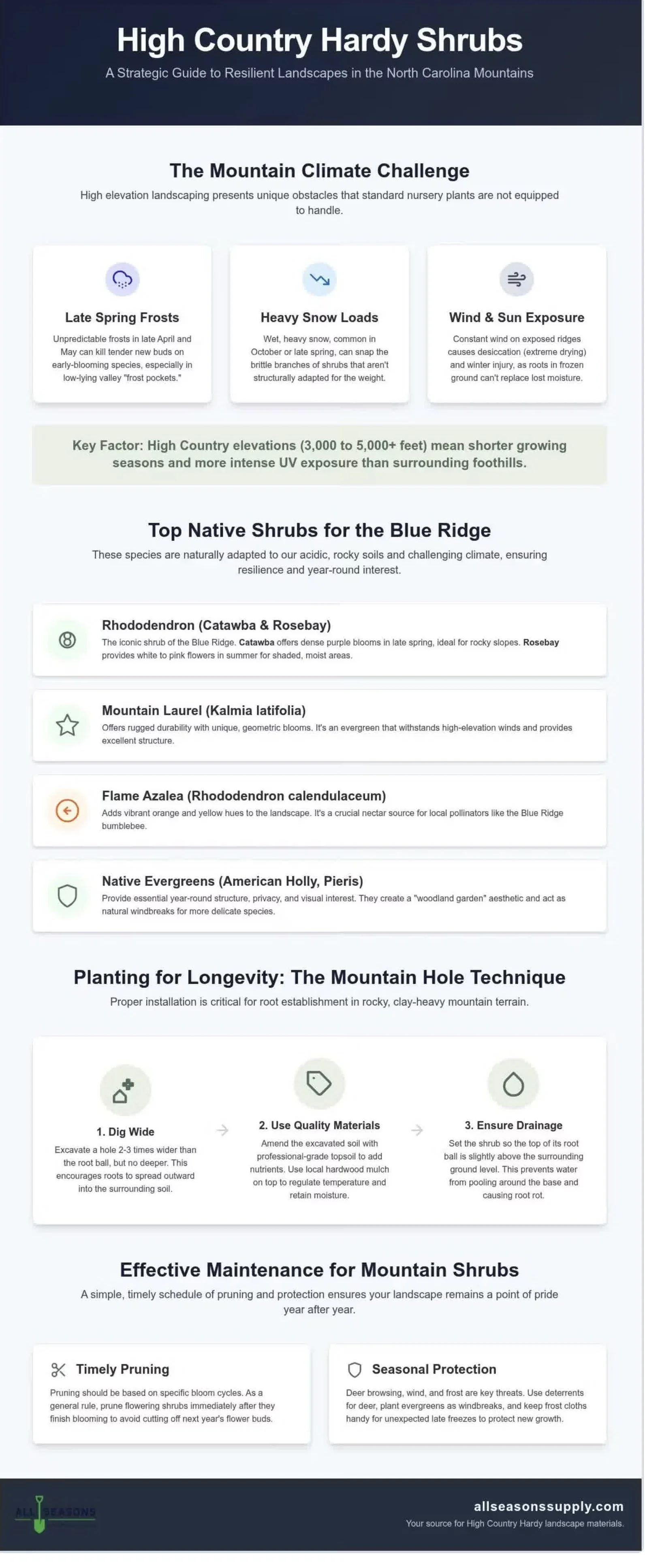
Success with flowering shrubs in NC mountains landscapes depends on the physical foundation you provide. In the High Country, digging a standard hole often leads to plant failure within the first two seasons. We follow the "Mountain Hole" rule: dig twice as wide as the root ball but no deeper. Our rocky terrain and heavy clay create a "bathtub effect" in which water pools around roots when the basin is too narrow. If you dig too deep, you invite root rot. By digging wider, you provide a loose zone for roots to expand into before they encounter the native rock shelf.
Proper drainage is critical on mountain slopes. While it might seem that water runs off naturally, heavy rains can saturate the upper soil layers and trap moisture against the root system. Integrating pea gravel or screenings into the base of your planting area can help manage water flow in particularly heavy clay. This structural approach ensures your investment survives the transition from the nursery to the mountainside.
Soil Preparation in the High Country
Most mountain yards consist of nutrient-poor fill or dense clay that lacks the organic matter needed for vibrant blooms. Testing your soil is the first step in a professional maintenance plan. As of 2026, the NC Department of Agriculture and Consumer Services has updated its fee structure. Soil testing remains free for residents from April 1 to November 30, 2026, but the peak-season fee increases to $5 per sample starting December 1, 2026. Using bulk compost and topsoil is essential for correcting acidity and improving soil texture. You can find more details in our Top Soil Near Me: A Guide to High Country Garden Success to help your new shrubs establish quickly.
Mulching for Winter Protection
Mulch acts as a strategic tool for regulating soil temperature during our frequent freeze-thaw cycles. For flowering shrubs in NC mountains gardens, hardwood mulch is generally superior to pine bark because it stays in place on steep slopes and provides better insulation. We recommend the "donut" method for application:
Apply mulch 2 to 3 inches deep around the base of the shrub.
Keep the material 3 to 4 inches away from the main trunk.
Extend the mulch ring to the "drip line" of the outer branches.
This method prevents moisture from being trapped against the bark, which can lead to fungal rot. For a comprehensive look at material options, read The Ultimate Guide to Mulch in the High Country. To ensure your project has the right foundation, order your bulk mulch and topsoil from All Seasons Supply for reliable delivery to your job site or home.
Maintaining Your Mountain Shrubs: Pruning and Protection
Maintaining flowering shrubs in NC mountain landscapes requires a disciplined process that extends well beyond the initial planting. Because our growing season is significantly shorter than in the Piedmont, every maintenance action must be timed for maximum efficiency. Proper care ensures that your nursery stock remains a strategic asset rather than a recurring expense. This involves a professional approach to pruning, nutrient management, and protection from the local wildlife that views your landscape as a primary food source.
Winterizing your property is the final step in the annual operational cycle. Young or newly installed shrubs benefit from burlap wraps to prevent heavy snow from splaying branches or breaking the main trunk. For evergreens, anti-desiccant sprays provide a protective coating that reduces moisture loss during the high-wind days common in January and February. Fertilization should be completed in early spring, ideally after a soil test, to allow plants to utilize the nutrients during the brief growth window before the first autumn frosts arrive.
Pruning for Maximum Blooms
The timing of your pruning depends entirely on when the shrub blooms. For spring-blooming species like Rhododendron and Mountain Laurel, you must wait until immediately after the flowers fade to prune. These plants set their buds in the late summer; pruning them in the winter or early spring will remove the entire season's floral display. Pruning too early in Boone or Banner Elk can also expose tender inner wood to late spring frosts, which often leads to significant dieback. Conversely, summer-blooming shrubs such as Spirea can be pruned in late winter before new growth begins.
Always begin your maintenance by removing any dead, damaged, or diseased wood that resulted from heavy mountain snow loads. A flower bud is typically larger, rounder, and more swollen than the smaller, more pointed leaf bud found along the stem. Identifying these early prevents the accidental removal of future blooms during your spring cleanup.
Deer Management Strategies
In areas like Foscoe and Vilas, deer pressure is a constant challenge for property owners. It is a common misconception that certain plants are "deer-proof." In reality, deer will browse almost any vegetation if natural food sources are scarce, especially during the winter months. Protecting your investment requires a multi-layered approach using both physical barriers and repellents. This is particularly important as invasive species continue to impact 42% of U.S. endangered species, making the preservation of your native flowering shrubs in the NC mountains even more critical for the local ecosystem.
While some shrubs, such as Pieris and certain native hollies, are less palatable to deer, others like Azaleas require active protection. Installing temporary wire fencing around young shrubs is the most reliable way to ensure they survive to maturity. For larger properties where fencing is impractical, applying repellents can discourage browsing. This proactive stance ensures your landscape remains vibrant and avoids the costs associated with replacing damaged nursery stock.
Securing Long-Term Success for Your Mountain Landscape
Building a resilient landscape in the Blue Ridge requires more than aesthetic choice; it's an investment in your property's long-term value. By prioritizing native species and hardy, adapted varieties that bloom on "new wood," you bypass the common failures caused by our unpredictable frost-thaw cycles. Success begins below the surface with the "Mountain Hole" rule and high-quality organic amendments. These steps ensure that the flowering shrubs in the NC mountains remain healthy and vibrant through heavy snows and high-elevation winds.
We understand the logistical challenges of high-elevation gardening. Our team brings over 50 years of combined industry experience to every consultation, helping you select acclimated stock that's ready for our unique environment. As a family-owned and operated business since 2019, we provide dependable service and local delivery for both nursery stock and bulk materials. Visit All Seasons Supply in Vilas for locally grown flowering shrubs and expert advice to start your next project. With the right materials and professional guidance, your mountain yard will flourish for years to come.
Frequently Asked Questions
When is the best time to plant shrubs in the NC mountains?
Early spring and early autumn are the most effective times to plant flowering shrubs that the NC mountains can sustain. Spring planting, typically from late April to May, allows roots to establish before the summer heat. Autumn planting in September or October is also a strategic choice because the soil remains warm enough to promote root growth even as air temperatures drop. You should avoid planting during peak summer or midwinter to minimize environmental stress on the nursery stock.
What are the most deer-resistant flowering shrubs for Boone?
Pieris floribunda and various Spirea species are among the most dependable deer-resistant options for properties in Boone and surrounding areas. While no plant is entirely deer-proof during a harsh winter, these species are generally less palatable than azaleas or hydrangeas. Using physical barriers or repellents for the first two seasons is a practical way to ensure young shrubs reach a size where they can withstand occasional browsing without significant damage.
Do I need to fertilize my flowering shrubs every year?
Annual fertilization is not always required and should be based on the results of a professional soil test. Over-applying nitrogen can lead to excessive foliage at the expense of floral displays or create weak, leggy growth that is susceptible to heavy snow loads. A single application of a balanced, slow-release fertilizer in early spring is usually sufficient for established plants in Watauga County, provided the soil has been amended with organic compost.
How do I protect my hydrangeas from the mountain wind?
Strategic placement and physical barriers are the best methods for protecting hydrangeas from desiccation caused by high-elevation winds. Planting near a structural windbreak, such as an evergreen hedge or a fence, provides a necessary buffer for delicate varieties. For exposed properties, wrapping the shrubs in burlap during the winter months prevents windburn and protects the flower buds from the extreme temperature fluctuations common on mountain ridges.
Why won't my rhododendron bloom?
Lack of blooms on a rhododendron is often caused by improper pruning timing or a late spring frost that killed the flower buds. If you prune these shrubs in the late summer or autumn, you likely removed the buds already set for the following year. Other common factors include insufficient sunlight or a soil pH that has become too alkaline for these acid-loving native species, which require a pH between 4.5 and 6.0 for optimal performance.
Can I plant flowering shrubs in rocky soil?
You can successfully plant flowering shrubs in rocky soil by following the "Mountain Hole" rule of digging the planting area twice as wide as the root ball. In areas with heavy rock or clay fill, it's essential to backfill with a blend of high-quality topsoil and compost. This creates a nutrient-rich zone that allows roots to establish before they encounter the denser native substrate found on mountain slopes.
How much mulch do I need for a new shrub bed?
A standard shrub bed requires a layer of hardwood mulch approximately 2 to 3 inches deep to regulate soil temperature and retain moisture. Applying the mulch too thinly won't prevent weed growth or protect roots from freeze-thaw cycles, while over-applying can lead to trunk rot. For a new installation, ensure the mulch extends to the shrub's drip line to provide comprehensive coverage for the expanding root system.
Do flowering shrubs need extra water in the High Country?
New flowering shrubs from NC mountain nurseries require supplemental watering for at least the first full growing season to establish their root systems. While our region receives significant annual rainfall, the rocky soil and steep slopes often lead to rapid runoff, leaving roots dry. Monitor your plants during dry spells in July and August, providing deep, infrequent watering at the base of the plant rather than overhead irrigation.