
Rock and Gravels
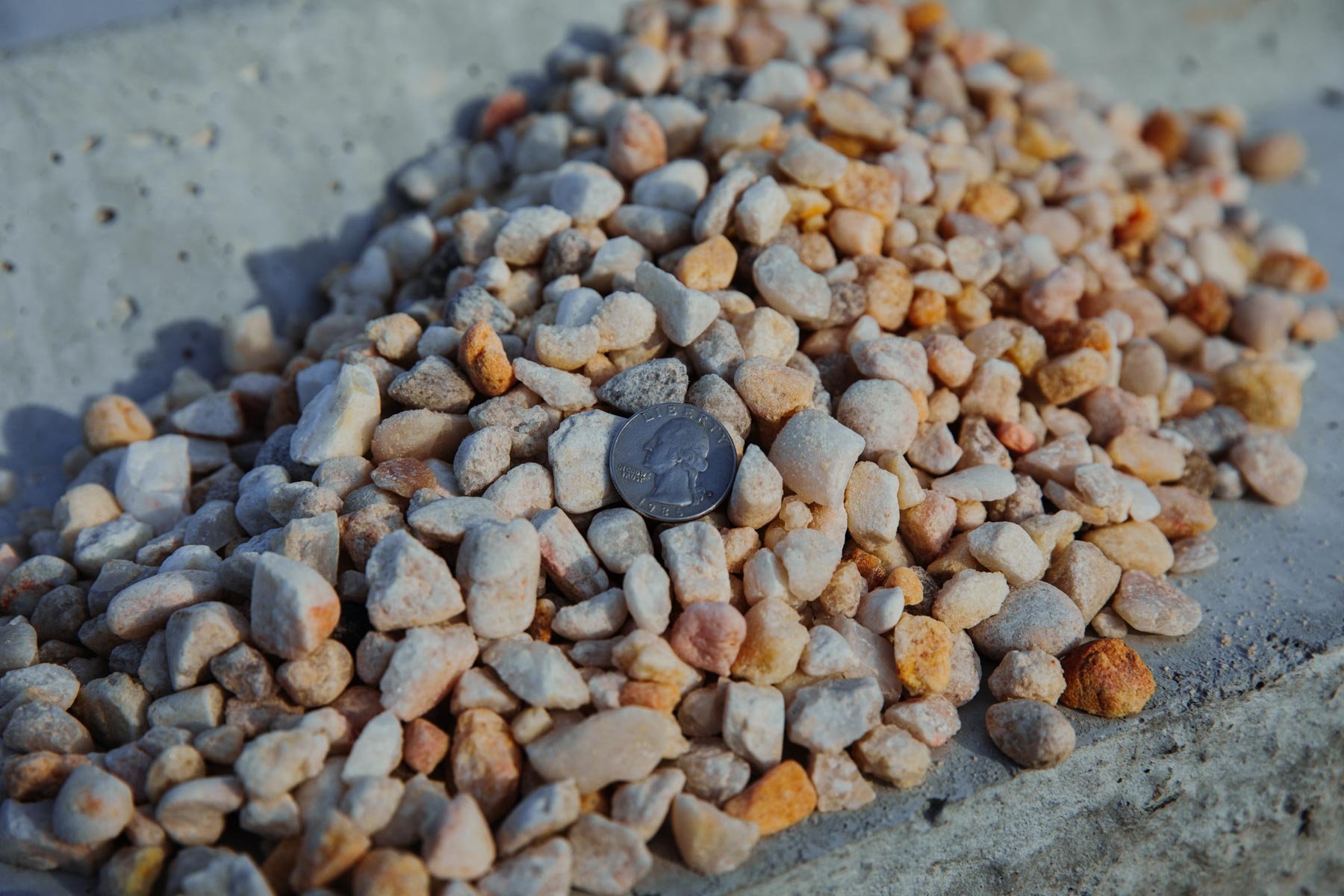
This smooth white creek stone pea gravel is great application for walkways, driveways and parking areas.
PRO TIP: Because of its size, texture, and color, pea grave is typically used for more above-ground projects and applications. Many home and building owners opt to use pea gravel to accent gardens or flower beds. The different color options allow pea gravel to complement the landscaping or to stand out from the foliage. Since it has a smooth finish, pea gravel is also regularly used for walkways, dog runs, playgrounds, patios, and a variety of other high-traffic areas.
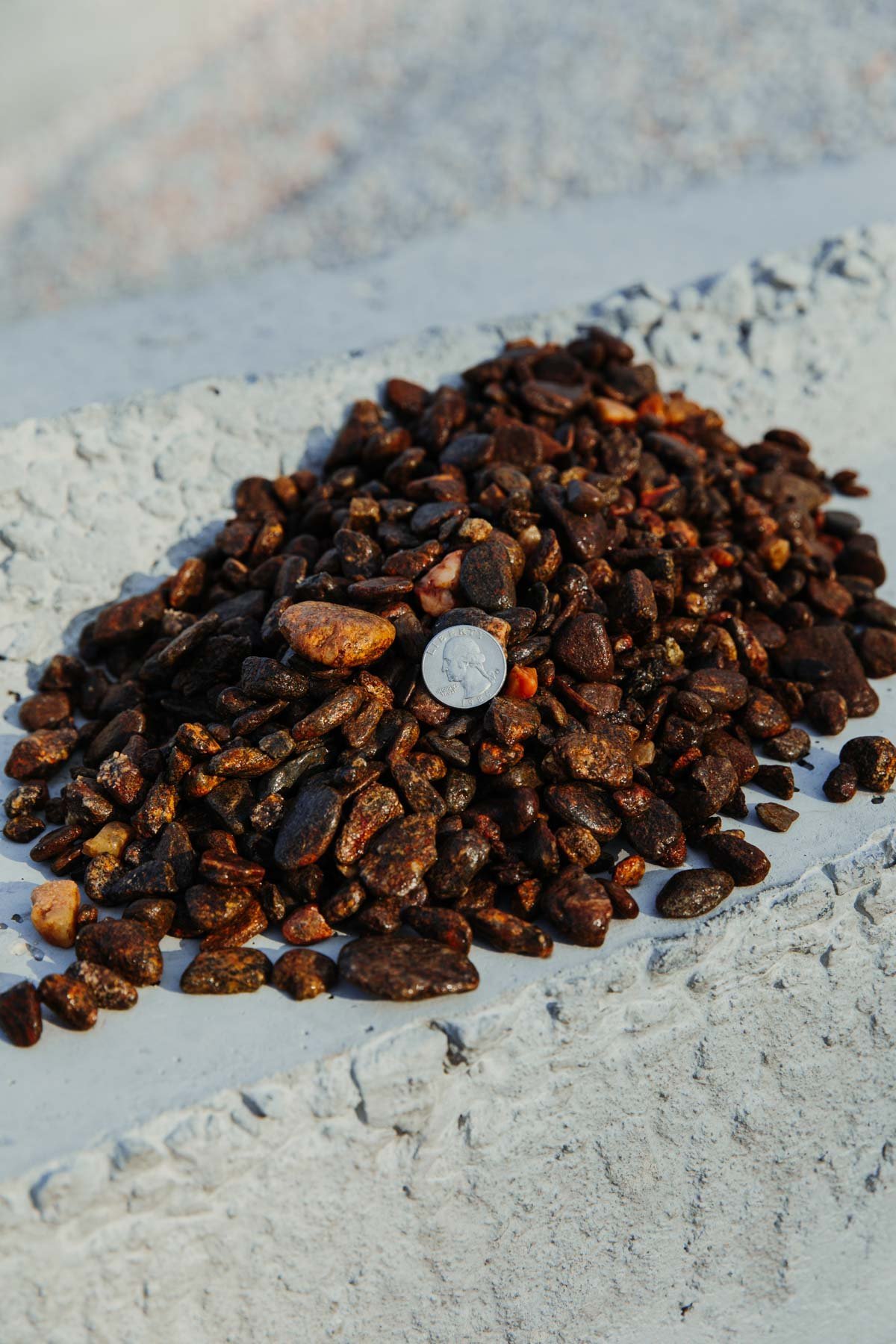
This locally farmed smooth creek stone pea gravel is great application for walkways, driveways and parking areas due to its larger size and texture.
PRO TIP: Pea gravel is small, rounded pebbles. Also referred to as pea stone or pea pebbles, each little rock of pea gravel is just a bit bigger than a pea (think green frozen peas). Pea gravel perhaps looks more like really large peas, like edamame or something of that size. The colour of the pea gravel depends on the colour(s) of the parent rock material.
WHAT IS IT USED FOR? Pea gravel is used in landscaping as a hardscaping surface material for well-travelled areas like patios, walkways, and playgrounds. It can also be used as a decorative mulch around plants or structures like raised beds.
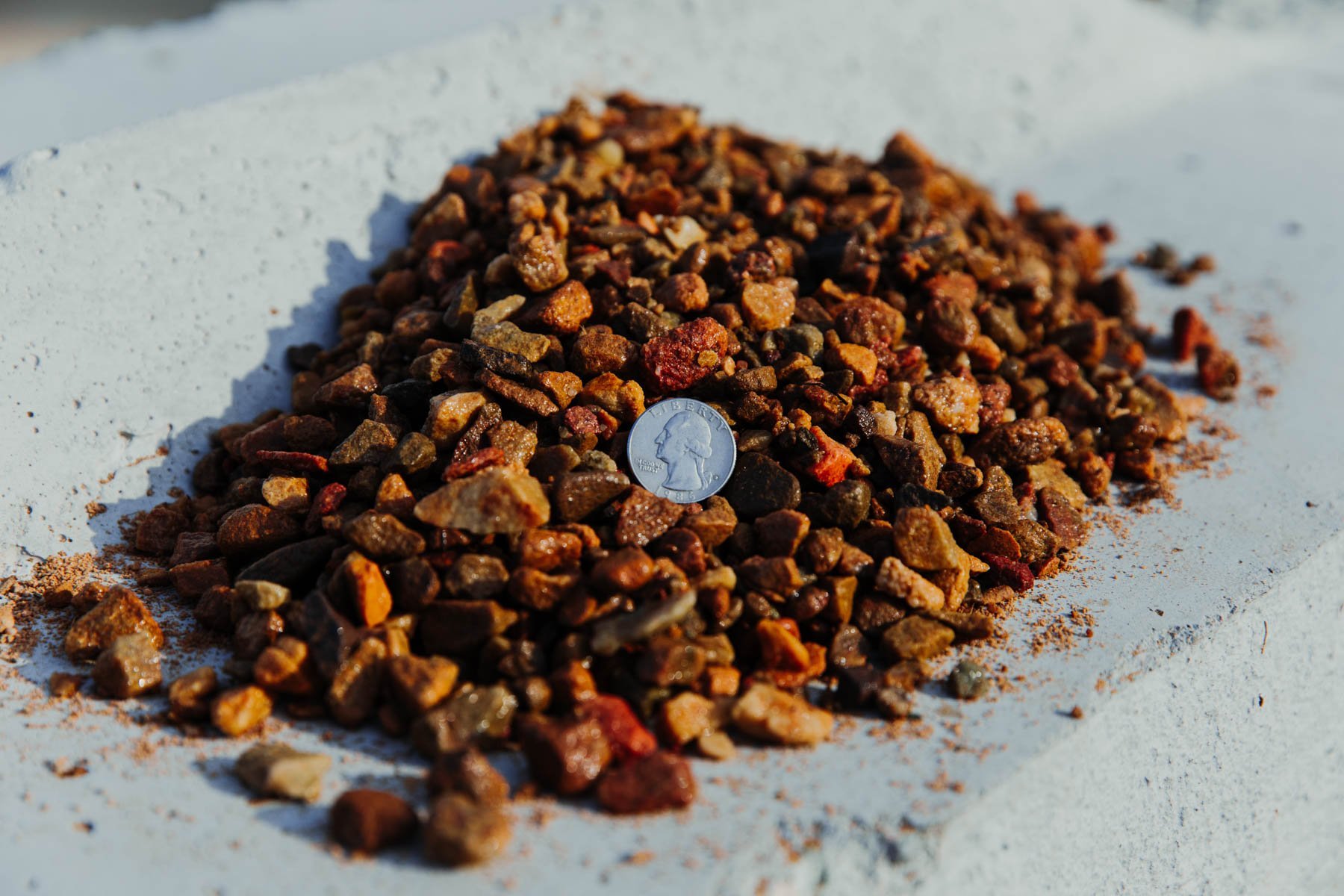
This pea gravel in imported from Alabama. This gravel product has unique colors that the Mtn region does not offer. Great for walkways, driveways and parking areas.
PRO TIP: Pea gravel is small, rounded pebbles. Also referred to as pea stone or pea pebbles, each little rock of pea gravel is just a bit bigger than a pea (think green frozen peas). Pea gravel perhaps looks more like really large peas, like edamame or something of that size. The colour of the pea gravel depends on the colour(s) of the parent rock material.
WHAT IS IT USED FOR? Pea gravel is used in landscaping as a hardscaping surface material for well-travelled areas like patios, walkways, and playgrounds. It can also be used as a decorative mulch around plants or structures like raised beds.
Approximate size is 1" in size. Commonly used for driveways, paths, covering drainage pipes, drain fields, septic lines, french drains. Packs nicely, yet allows water and air to penetrate.
PRO TIP: Gray in color, 1/2-3/4 inch in size average, drainage gravel, use for top layer for driveways after good base of crush & run.
"USES: It is commonly used for drainage purposes, septic tank lines, driveways, or parking pads. This granite is also used for backfilling retaining walls. "
COVERAGE GUIDELINES:1 ton covers an area approximately 110-100 square feet to an average depth of 2 inches.
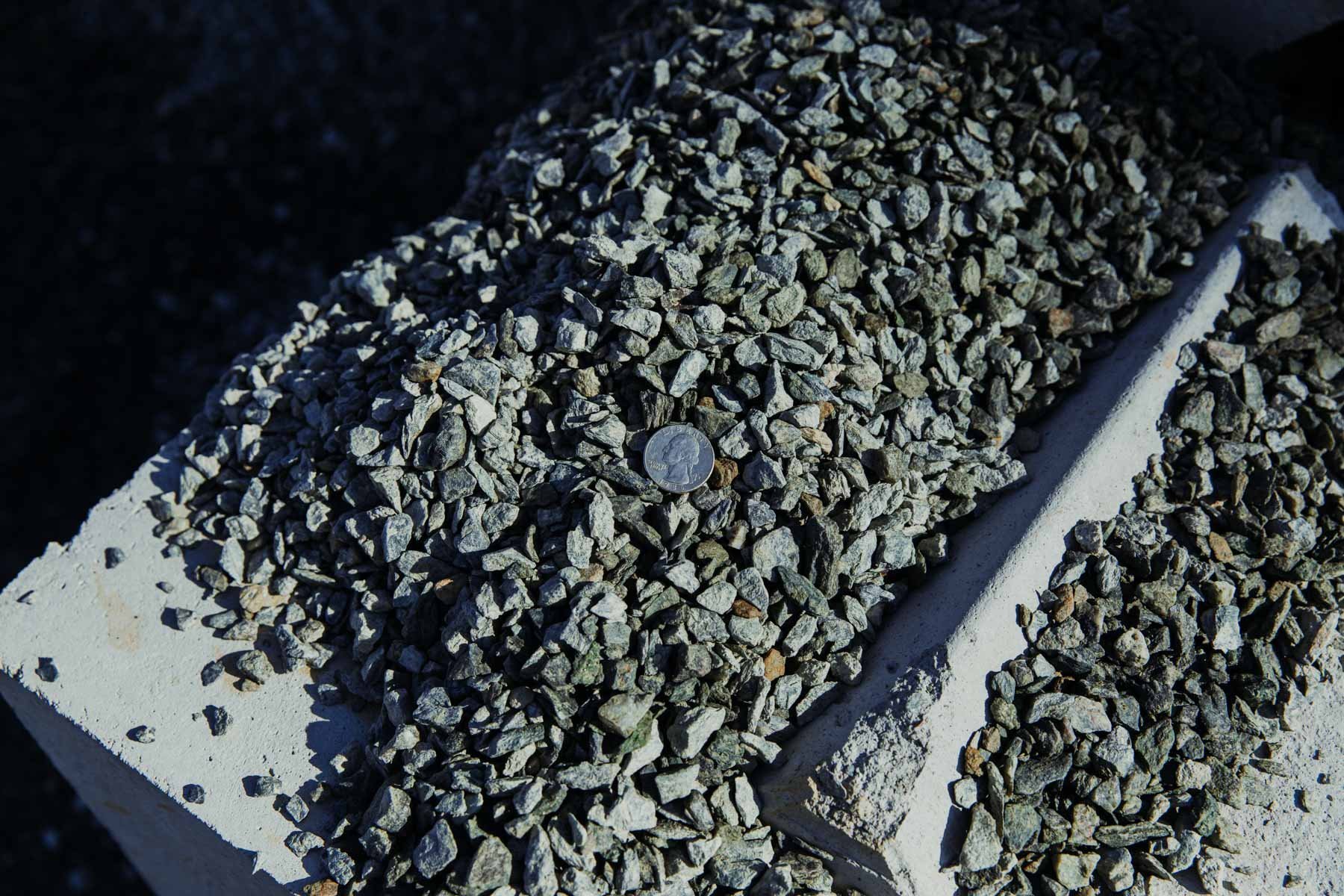
Approximate size is 1/2" in size. Commonly used for mulch, paths, covering drainage pipes, drain fields, septic lines, french drains. Packs nicely, yet allows water and air to penetrate.
PRO TIP: Crushed granite gravel is often used as an aggregate for underground projects. It can make a suitable subbase for concrete. When sized at approximately 1/2″ or 3/4″, it's commonly used in projects like backfill, drainage, and pipe bedding. More massive cuts are used for parking lots, railroad ballast, and driveways.

Often used as road base material, this product provides an excellent hard surface for driveways, parking pad, or as an economical base for paver walks and patios.
PRO TIP: Crusher run is a blended mix of coarse aggregate and fine aggregate. The combination of both crushed stone and stone dust creates a low void content (the amount of space or air between the pieces of rock in a mix) that is valuable in concrete construction for its compaction ability and drainage characteristics.
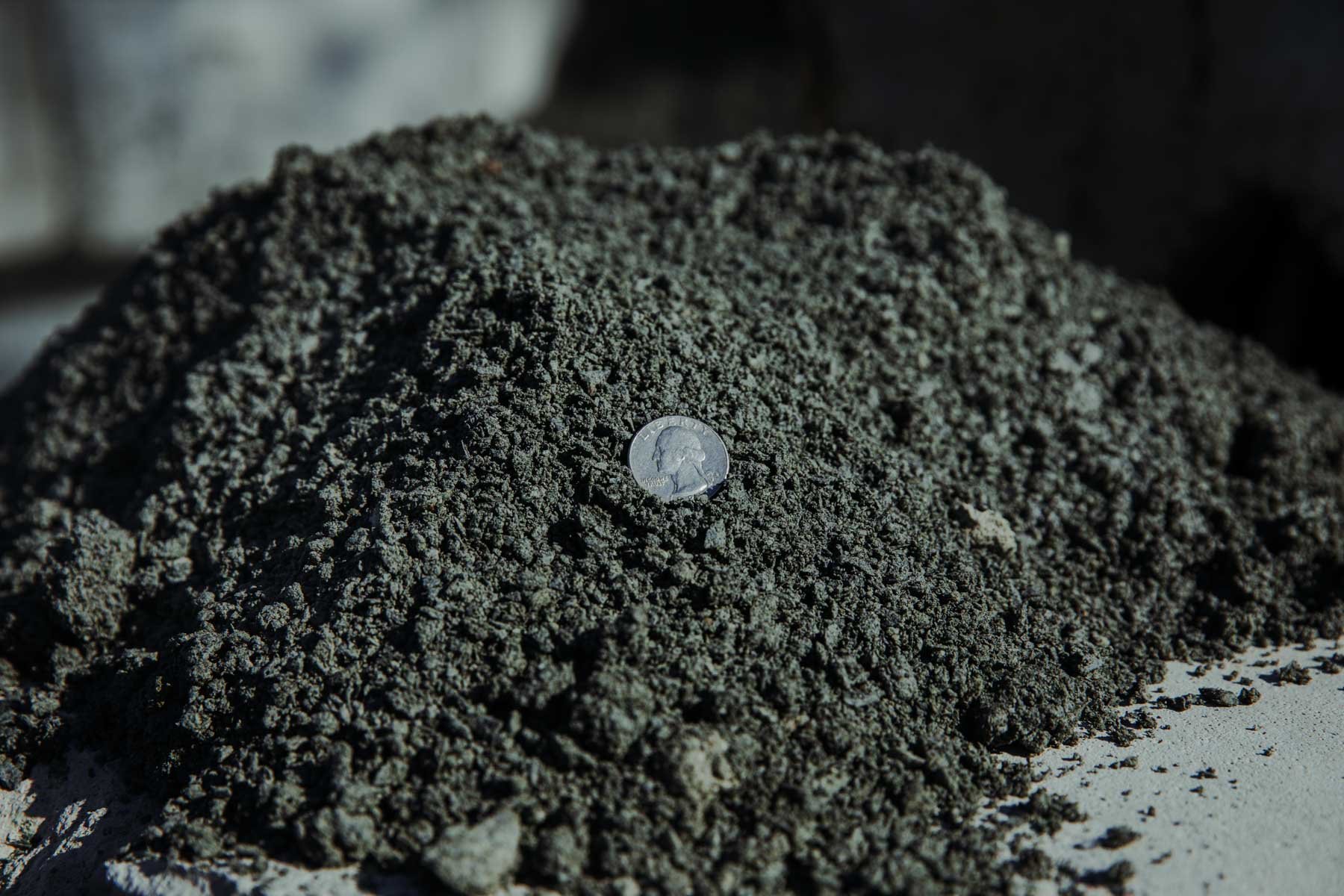
Composed of hard, durable particles (naturally occurring or from crushing the parent rock). Used as a leveling material for pavers or natural stone for laying a patio or walkway.
PRO TIP: Screenings are mostly use as a paver base material for Patio Stone, Pavers, Clay Brick and Flagstone. Screenings are also used to make Concrete Block, Concrete Pavers Etc… When considering which Screening to use it is helpful to know how each one performs.
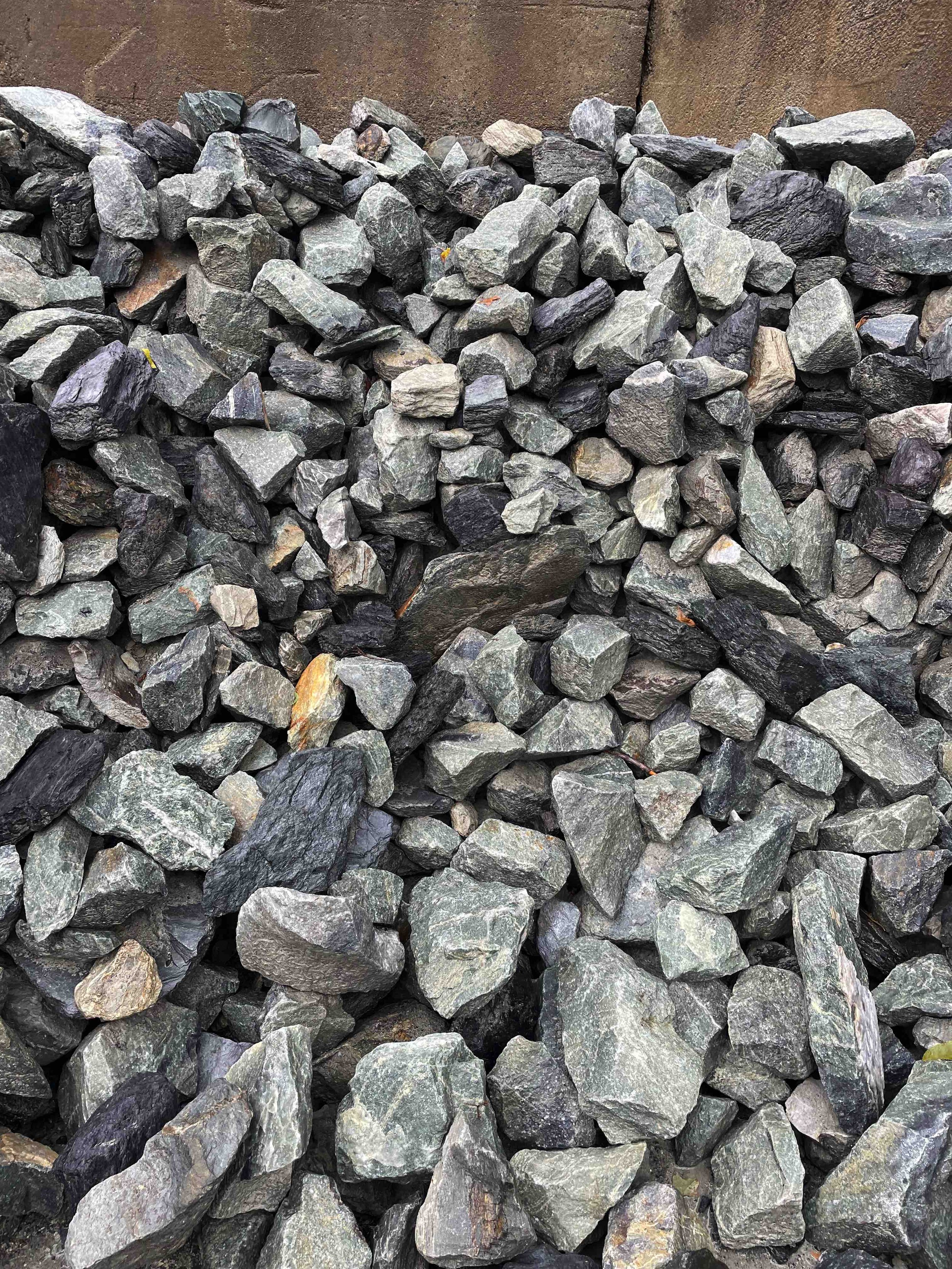
Riprap is a layer of large stones that protects soil from erosion in areas of high or concentrated flows. It is especially useful for armoring channel and ditch banks, among other features. Construction staff may also pair riprap with other stormwater control measures to reduce stormwater flow rates.
Brick chips are small pieces of brick that are commonly used in landscaping applications to add texture, color, and visual interest to outdoor spaces. These chips are typically made from recycled or salvaged bricks and come in various sizes and shapes, ranging from small pebbles to larger chunks.
Brick chips can be used in a variety of ways in landscaping, such as creating pathways, borders, or accents in garden beds. They are often chosen for their rustic and natural appearance, adding a warm and inviting feel to the landscape.
In addition to their aesthetic appeal, brick chips also have practical benefits. They can help with weed control by providing a barrier that inhibits weed growth, and they can also help with moisture retention in the soil by reducing evaporation.
Overall, brick chips are a versatile and attractive landscaping material that can enhance the beauty of outdoor spaces while also serving functional purposes.