
Native Shrubs for the High Country NC: Spring Planting Guide
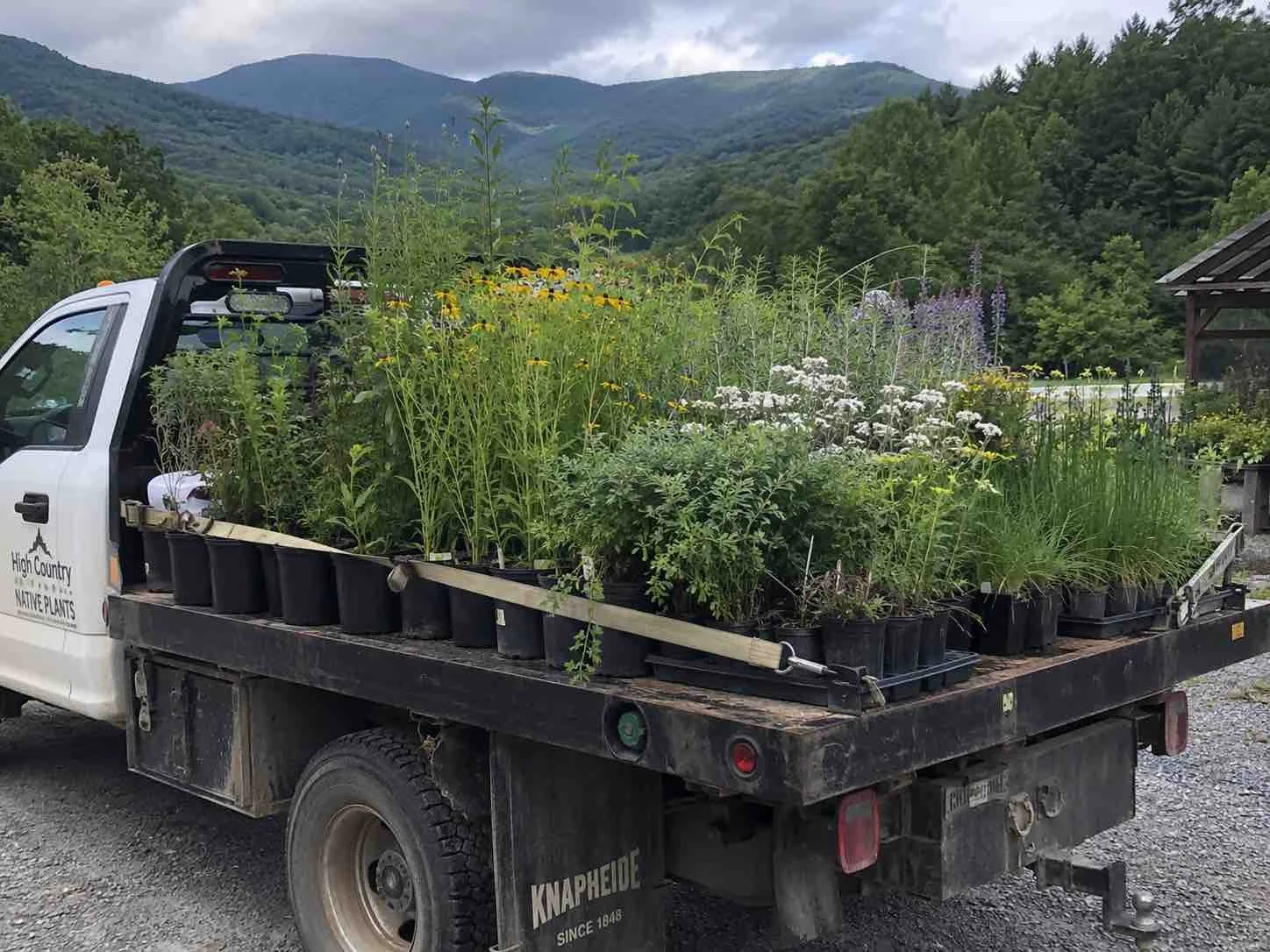
Selecting the right plants for your mountain property starts with knowing what grows naturally here. Native shrubs are adapted to the High Country's climate, soils, and elevation, which means they require less water and fertilizer than non-native ornamentals. They also supply vital food and shelter for local pollinators, birds, and wildlife. For anyone planting in Boone, Blowing Rock, or the surrounding area, choosing native species is a practical, long-term investment in your landscape.
The North Carolina Native Plant Society and the NC Cooperative Extension offer region-specific lists that make plant selection easier. Below, shrubs are grouped by mature size and by their suitability for Western North Carolina, helping you plan garden beds, slopes, and borders. This spring is an ideal time to add these hardy, easy-care plants to your property.
Why Choose Native Shrubs for Your Mountain Landscape
Native shrubs have developed alongside local insects, animals, and soil microbes. They tolerate the region's temperature swings, acidic clay soils, and periods of drought far better than imported species. Because they are naturally pest-resistant, you can reduce or eliminate the need for chemical sprays. For steep properties, many native shrubs have deep root systems that help control erosion, a common issue in the High Country under the NC Sedimentation Pollution Control Act. Native plants also support specialist pollinators such as native bees and butterflies that depend on particular host plants.
By selecting species from the lists provided by the NC Cooperative Extension, the NC Wildlife Federation, and the NC Native Plant Society, you choose shrubs that are suited to the mountain environment and match the criteria used in these recommendations.
Recommended Native Shrubs by Size for Western North Carolina
Small Shrubs (Under 4 Feet)
For the front of borders, low groundcover areas, or beneath taller trees, these smaller native shrubs offer seasonal interest without dominating the space. Prioritize American beautyberry, bushy St. John's wort, and lowbush blueberry for dependable results in Western North Carolina. The NC Cooperative Extension also recommends deciduous options such as cranberry, maple leaf viburnum, and hydrangea, along with evergreen choices like leucothoe, American boxwood, and quince. American beautyberry (Callicarpa americana) is suitable for all three regions of North Carolina, including the mountains, and produces striking purple berries in the fall. Bushy St. John's wort (Hypericum densiflorum) is a deciduous shrub commonly found in coastal and mountainous regions of North Carolina, offering bright yellow flowers in summer.
Mid-Sized Shrubs (4 to 10 Feet)
This group forms the backbone of many mountain landscapes, providing screening, seasonal blooms, and fruit for wildlife. Prioritize spicebush, elderberry, Virginia sweetspire, and mountain laurel for dependable performance in Western North Carolina. The NC Cooperative Extension also lists several deciduous options: sweetshrub, red-twig dogwood, hearts-a-bustin', fothergilla, hypericum, winterberry, native azaleas, highbush blueberry, deciduous viburnum, leatherleaf viburnum, and spirea. Evergreen choices include rhododendron and inkberry. The NC Native Plant Society also recommends Silky dogwood (Cornus amomum), Hazelnut (Corylus americana), and Bush-honeysuckle (Diervilla sessilifolia) for North Carolina. Among these, spicebush and elderberry are notably useful for butterflies and birds, while Virginia sweetspire offers fragrant, cascading white flowers in late spring.
Large Shrubs (Over 10 Feet)
Use these shrubs as specimen plants, tall hedges, or natural screens. Prioritize witch hazel and oakleaf hydrangea for wide, reliable choices in the High Country. The NC Cooperative Extension also recommends deciduous species such as smooth sumac, arrowwood viburnum, bottlebrush buckeye, and ninebark. Evergreen options include rhododendron and mountain laurel. Witch hazel (Hamamelis spp.) blooms in late fall or early spring with distinctive ribbon-like flowers, while oakleaf hydrangea (Hydrangea quercifolia) offers large, cone-shaped white flower clusters that fade to pink and brown, plus striking red fall foliage. Both are well-suited to the High Country's elevation.
Key Shrubs to Consider for Your High Country Garden
The following shrubs are widely recommended across multiple authoritative sources because they satisfy the selection criteria for spring planting in the High Country. Each has a specific role in the landscape.
Hazelnut (Corylus americana). The NC Native Plant Society includes hazelnut on its list of recommended shrubs for North Carolina. This multi-stemmed shrub produces edible nuts in the fall and serves as a host plant for several butterfly species. Its early catkins provide pollen for native bees.
American Beautyberry (Callicarpa americana). Suitable for all three regions of North Carolina, including the mountains, beautyberry is known for its brilliant purple berry clusters that persist into winter. It grows well in partial shade and attracts birds and deer.
Buttonbush (Cephalanthus occidentalis). A multi-stemmed shrub native to the Eastern United States and found in all three regions of North Carolina, buttonbush grows well in wet areas near streams or rain gardens. Its round, spiky white flowers are a magnet for bees and butterflies.
Spicebush (Lindera benzoin). Listed as a mid-sized deciduous shrub for Western North Carolina by the Cooperative Extension, spicebush offers yellow fall color and small red berries. It is the primary host plant for the spicebush swallowtail butterfly.
Elderberry (Sambucus canadensis). Also recommended in the mid-sized list, elderberry produces large clusters of white flowers followed by dark purple berries. Both flowers and berries are used in jams, syrups, and wines. The shrub is fast-growing and tolerates moist soil.
Virginia Sweetspire (Itea virginica). Another mid-sized option, this shrub features arching branches with fragrant white flower spikes in late spring. Its fall foliage turns deep red, rendering it a valuable four-season plant for the mountains.
Witch Hazel (Hamamelis virginiana). As a large shrub over 10 feet, witch hazel brings late-season bloom to the garden. The yellow, ribbon-like flowers appear in autumn after leaves drop, providing a rare nectar source for late-flying insects.
Oakleaf Hydrangea (Hydrangea quercifolia). This large shrub is noted for its distinctive oak-shaped leaves and elongated white flower panicles that age to pink and tan. Its exfoliating bark adds winter interest, and the foliage turns burgundy in fall.
For smaller spaces, consider running serviceberry (Amelanchier stolonifera) and red chokeberry (Aronia arbutifolia), both recommended for the North Carolina mountain region by commercial gardening guides. These shrubs stay under 6 feet and produce spring flowers and colorful fruit.
When planning your garden, consult the North Carolina Native Plant Society website (ncwildflower.org) for their complete plant lists and selection details. The NC Cooperative Extension also recommends this site as the best source of information on native plants. For site-specific advice on soil preparation, sun exposure, and moisture conditions, contact your local extension office or a trusted landscape supply in Boone.
Frequently Asked Questions
Where can I find native shrubs for the High Country this spring?
Local garden centers and landscape suppliers in Boone and Blowing Rock often carry native shrubs in spring. The NC Native Plant Society holds plant sales, and your county extension office can provide a list of native plant nurseries in Watauga and Avery counties.
Which native shrubs are best for erosion control on steep slopes?
Deep-rooted shrubs like witch hazel and oakleaf hydrangea help stabilize soil. Smaller groundcovers such as lowbush blueberry and St. John's wort also work well. For complete erosion control, combine shrubs with geotextiles and stone as recommended under the NC Sedimentation Pollution Control Act.
Do mountain native shrubs attract pollinators?
Yes. Spicebush, elderberry, buttonbush, and Virginia sweetspire are especially attractive to bees and butterflies. The NC Wildlife Federation emphasizes that native shrubs support specialist pollinators that depend on local plants for reproduction.
Can I plant these shrubs in full sun, or do they need shade?
Most native shrubs for the High Country are adaptable, but specific requirements vary. Beautyberry and oakleaf hydrangea tolerate partial shade, while St. John's wort and elderberry prefer full sun. Always check the species' sun and moisture needs before planting.
By choosing native shrubs this spring, you're building a landscape that works in harmony with the High Country's natural rhythms. In doing so, these plants require less intervention, support local wildlife, and bring lasting beauty to your mountain home.