
Choosing the Best Nursery in Blowing Rock: A Buying Guide for High Country Gardeners
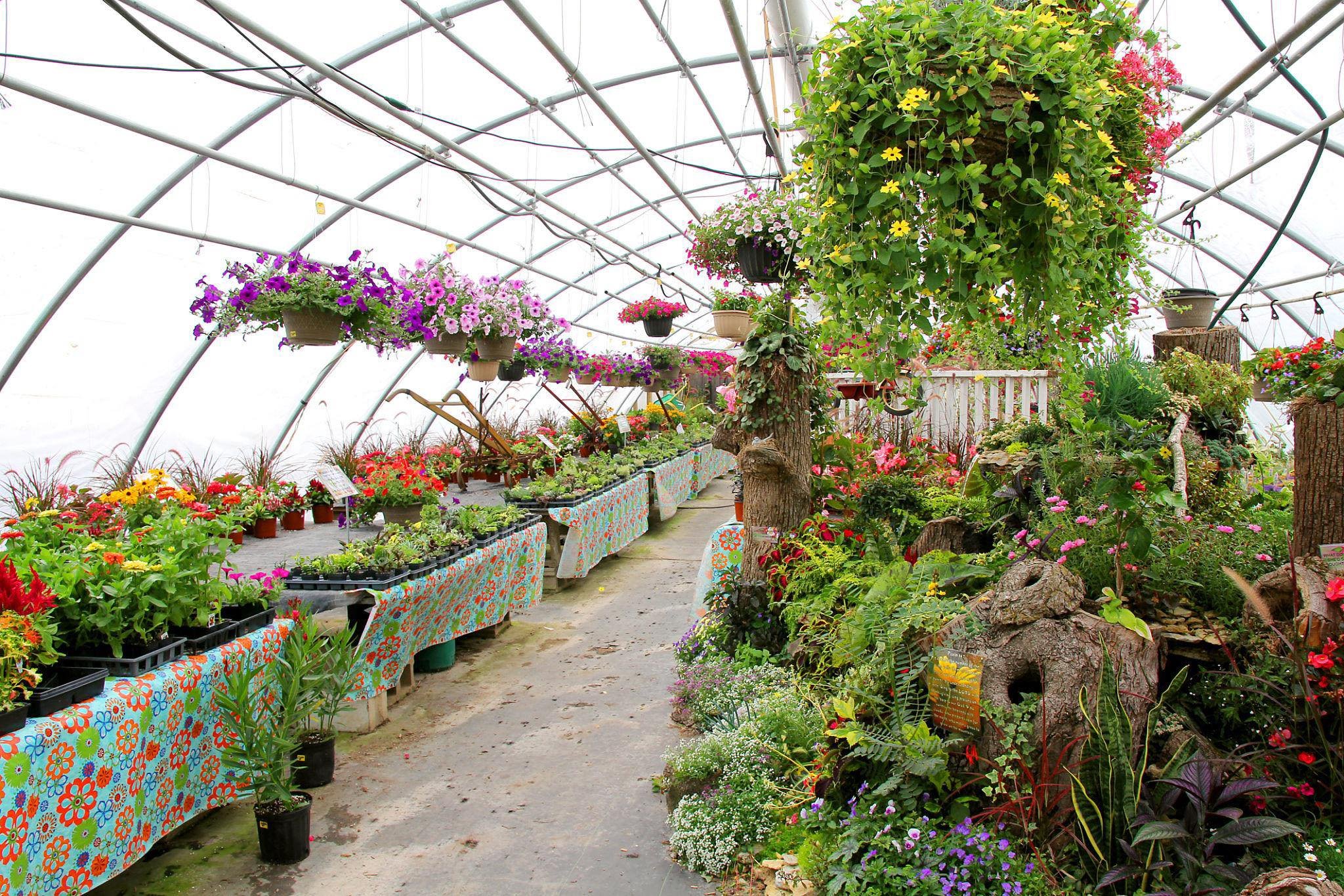
Last May, a High Country gardener spent $1,500 on nursery stock from a regional chain, only to see 60% of those plants fail before the first frost in October. You likely recognize that gardening at 3,500 feet requires a specialized approach that big-box retailers simply can't provide. The combination of rocky soil and unpredictable mountain weather makes finding a dependable nursery for Blowing Rock gardeners a necessity for any successful landscape project.
It's a common challenge, but you don't have to settle for plants that aren't built for our environment. This guide offers a clear path to building a resilient garden by selecting mountain-grown plants and securing the right bulk materials for soil preparation. We'll show you how to identify hardy species, manage the logistics of large-scale tree deliveries, and prepare your ground for long-term growth. By the end, you'll have the expert knowledge needed to transform your mountain property into a thriving, durable landscape that lasts through every season.
Key Takeaways
Understand why mountain-grown stock is critical for surviving the High Country's unique elevation and wind challenges.
Identify the specific quality indicators to look for when visiting a nursery, Blowing Rock gardeners rely on for hardy, pest-free plants.
Learn professional methods for evaluating root health and plant vigor to ensure successful establishment in rocky terrain.
Discover how to properly amend native soil with bulk compost and mulch to create a stable foundation for your landscape.
Streamline your gardening projects by sourcing plants, stone, and soil through a single, dependable provider in the High Country.
Why Local Expertise Matters for Your Blowing Rock Nursery Selection
Successful landscaping in the Blue Ridge Mountains requires more than just aesthetic choice. It demands a technical understanding of environmental resilience. Selecting a nursery that Blowing Rock residents can rely on means finding a partner that recognizes the physical demands of the High Country. Properties at elevations exceeding 3,500 feet face high-velocity winds and thin, rocky soil structures that can quickly dehydrate or uproot standard retail plants. All Seasons Supply leverages over 50 years of combined experience to provide inventory specifically curated for these conditions. This deep local knowledge translates into higher plant survival rates, as we account for the erratic weather patterns that define Watauga County.
The High Country Microclimate Challenge
Gardening at high altitudes introduces variables that lower-elevation outlets don't encounter. In Blowing Rock, the primary risk is early-spring warm spells. These brief periods often trick plants into breaking dormancy, only to be hit by late frosts that can occur as late as mid-May. We focus on species that maintain dormancy longer or possess the structural integrity to withstand ridge-top wind exposure. This proactive approach ensures your landscape remains a long-term asset rather than a recurring expense. Our team analyzes specific site conditions to recommend wind-resistant species that thrive despite the thin topsoil typical of the area.
Sourcing vs. Growing: Why Provenance Matters
The origin of your plant material determines its ultimate success. Many big-box retailers sell stock grown in the warmer Piedmont regions or coastal nurseries. These plants are often "soft" and struggle to adapt to the sudden temperature drops of the mountains. All Seasons Supply prioritizes inventory that is either mountain-grown or properly hardened off for our specific climate zone. This ensures that the root systems are prepared for the transition to your property without the shock of a 20-degree temperature variance.
This focus on provenance includes a deep knowledge of plants endemic to the Appalachian Mountains, which naturally possess the genetic traits needed to thrive in local soil. By selecting a nursery Blowing Rock professionals trust, you gain access to professional-grade stock that outperforms retail-only alternatives. We treat plant selection as a logistical solution for your property. Every tree and shrub we provide is equipped for the specific microclimate of your site, ensuring operational continuity for your facility or home landscape throughout the changing seasons.
Essential Criteria: How to Evaluate Nursery Stock for High Country Survival
Selecting inventory for a high-altitude landscape requires a technical eye and a focus on long-term durability. When you visit a nursery that Blowing Rock gardeners rely on, start your evaluation at the root level. Gently lift the plant from its container if possible. Avoid specimens with thick, circling roots that have begun to woody against the plastic. These plants are root-bound. They will struggle to establish in the rocky, acidic soil found at elevations exceeding 3,500 feet. Healthy roots appear white or light tan and remain firm to the touch. Physical vigor is your next priority. Look for active growth indicators, such as new terminal buds and flexible stems. If a branch snaps with a dry crack, the plant is likely dehydrated or suffering from winter kill. Flexibility suggests healthy sap flow and proper hydration. Inspect the foliage for "shot holes" or sticky residue. These are clear signs of pest infestations or fungal pathogens that can quickly spread to your existing landscape.
Hardiness Zone Check for Blowing Rock
Blowing Rock sits primarily within USDA Hardiness Zone 6b. This classification is vital because it indicates that plants must survive temperatures as low as -5 degrees Fahrenheit. Many retailers stock "temptation plants," such as certain Gardenia varieties, that thrive in Zone 8. These look vibrant in a July display but will perish during the first significant January freeze. Professional landscapers often choose plants rated for Zone 5 to provide a safety margin against unpredictable mountain winters. Reading plant tags requires a literal interpretation of these numbers. The North Carolina Extension Gardener Handbook provides exhaustive data on species that withstand these specific thermal shifts. Prioritize selections that list Zone 6 or lower to ensure your investment survives the transition from the nursery to your mountain soil.
Physical Signs of Plant Health
Assess health through structural indicators rather than just leaf color. In early spring, check for plump, resilient buds that hint at green. Avoid trees with "included bark," where the bark grows inward at a branch union, as this creates a structural weak point during heavy snow loads. Salt tolerance is another critical factor for any property near Highway 221 or Main Street. Winter de-icing operations leave salt deposits that dehydrate plant tissue and alter soil chemistry. Choose salt-tolerant species, such as Rugosa Rose or specific Junipers, for roadside beds to minimize the need for constant replacements. Keeping your property in peak condition requires the right tools, so consider sourcing reliable landscape maintenance supplies.
Top Trees, Shrubs, and Perennials for Blowing Rock Landscapes
Successful landscaping in the High Country requires selecting plants that can withstand rapid temperature shifts and heavy snow loads. When you visit a nursery, Blowing Rock gardeners trust, you should look for inventory specifically acclimated to the region's unique elevation. The local growing season typically runs from mid-May to late September, leaving little room for error with tender species. Selecting hardy, high-altitude varieties ensures your investment survives the first winter and provides long-term value for your property.
Evergreens and Privacy Trees
Privacy screening is a common requirement for residential lots in Watauga County. For large properties, Norway Spruce provides a superior windbreak compared to Eastern White Pine. While White Pines are native, their branches often snap under the weight of heavy ice or 50 mph gusts. Norway Spruce features a stronger central leader and flexible boughs that shed snow efficiently. For smaller downtown lots with limited space, Emerald Green Arborvitae offers a narrow, columnar solution that maintains its color throughout the winter months. Proper installation is critical due to the thin, rocky soil layers found throughout the Blue Ridge. Before you plant, consult the USDA Plant Hardiness Zone Map to confirm your specific microclimate, as Blowing Rock typically sits in zone 6b or 7a. You'll likely encounter solid rock or heavy clay within 12 inches of the surface. Digging a hole twice as wide as the root ball and amending the backfill with organic compost provides the drainage necessary for evergreen health.
Perennials for High-Altitude Color
The short growing season in the mountains means every week of bloom counts. Local favorites like Coneflowers, Black-eyed Susans, and Bee Balm offer reliable performance and support local pollinators. These plants are built for the cool nights and high UV exposure common at 3,500 feet. Perennials Boone NC
Soil and Mulch: The Foundations of a Successful Mountain Garden
Blowing Rock sits at an average elevation of 3,500 feet, creating unique challenges for any landscape project. The native ground in Watauga County is often thin, acidic, and heavily compacted with rock or clay. When you select plants from a Blowing Rock nursery recommended by locals, you're investing in high-quality stock that needs a proper environment to survive the transition from a pot to the mountain earth. Without significant soil amendment, even the hardiest mountain laurel or rhododendron will struggle to establish a deep root system.
Establishing a new planting bed requires a reliable supply of bulk compost and topsoil. These materials introduce essential organic matter that breaks up heavy clay and improves water retention in sandy pockets. For large-scale landscape installs, relying on individual bags is inefficient and expensive. Utilizing bulk material delivery ensures you have the volume needed to create a consistent growing medium across your entire property, leading to more uniform plant growth and better long-term survival rates.
Amending Rocky Mountain Soil
Native soil in this region often lacks the nutrient density required for ornamental gardens. Mixing a 50/50 ratio of bulk compost with native Watauga soil provides the drainage and aeration that new nursery plants need. If you're focusing on patio gardening, don't use native soil in pots. Specialized potting soil is a better solution because it won't compact in containers. To calculate your needs, multiply the square footage of your bed by the desired depth in feet, then divide by 27 to determine the total cubic yards of material required for the project.
Mulching for Winter Protection
The High Country is known for rapid temperature swings, with the thermometer dropping 30 degrees in a single afternoon. Mulch serves as a critical insulator for root systems during these shifts. Hardwood mulch is a dependable choice for most beds because it stays in place on sloped terrain. However, pine bark is often preferred for acid-loving plants like azaleas, as it helps maintain the lower pH levels they crave.
Managing large properties is easier when you coordinate a bulk mulch delivery in Boone, NC. This approach saves hours of manual labor and reduces plastic waste from bagged products. When applying your mulch, keep it 2 to 3 inches deep. Avoid "volcano" piling against tree trunks, as this traps moisture against the bark and encourages rot or pest infestations. A flat, even layer is the most effective way to protect your investment.
Ready to start your next landscape project with professional-grade materials? View our full inventory of soil and mulch solutions.
Why All Seasons Supply is the Choice for Blowing Rock Homeowners
Selecting a nursery that Blowing Rock residents can rely on involves more than just finding healthy plants. It requires a partner that understands the specific logistical and environmental challenges of the High Country. Our facility in Vilas serves as a strategic hub for the entire region. We provide an integrated solution for property owners who need more than just greenery. By offering a comprehensive inventory of nursery stock, decorative stone, and bulk mulch in one location, we eliminate the need for multiple vendors and separate delivery fees. This "one-stop shop" model saves our clients an average of three hours in transit and coordination time per project.
Success in mountain gardening depends on local expertise. Our team provides consultations backed by 25 years of experience in mountain landscaping. We don't just sell products; we offer technical guidance on soil pH, drainage requirements, and wind resistance. This ensures your landscape survives the harsh winters and unpredictable springs typical of Blowing Rock's 3,500-foot elevation. We prioritize long-term reliability, ensuring every plant we sell is suited for the specific microclimates of Watauga County.
Streamlined Logistics and Delivery
Managing property improvements in the mountains often presents physical obstacles. Our delivery fleet is equipped to handle the steep grades and tight turns characteristic of neighborhoods in Blowing Rock, Boone, and Foscoe. We coordinate combined orders to maximize efficiency for our clients. You can receive your double-ground hardwood mulch and mountain laurel in a single scheduled drop-off. This approach reduces heavy traffic on your driveway and ensures your materials arrive exactly when your crew is ready to work. We've successfully completed over 1,200 deliveries to residential sites with restricted access, ensuring bulk materials are placed precisely where needed without damaging existing infrastructure.
The All Seasons Supply Partnership
We provide the same level of technical support to both DIY homeowners and professional landscape contractors. Big-box retailers often lack the specific horticultural knowledge required for the High Country. Our team fills that gap with personalized service that treats your property as a long-term investment. We maintain a consistent inventory of native species and hardy perennials that are proven to thrive here. This commitment to quality makes us the preferred nursery for Blowing Rock homeowners undertaking high-stakes projects. We value hard work and clear communication, moving your project from the planning stage to completion with professional decorum. Visit our Vilas location today to see our current nursery inventory and speak with a specialist about your upcoming landscaping goals.
Cultivate a Resilient Mountain Landscape
Successful gardening in the High Country demands more than standard plants. It requires stock specifically hardened for mountain elevations. Finding a reliable nursery that Blowing Rock homeowners can trust means prioritizing local expertise and professional-grade materials. All Seasons Supply brings over 50 years of combined industry experience to every project. We've spent decades serving the unique needs of residents across Watauga, Avery, and Ashe Counties with dependable solutions. Our facility maintains a comprehensive inventory of bulk mulch, decorative stone, and nursery plants to provide a complete foundation for your property. We focus on practical results that simplify your maintenance routine and enhance your home's value. You don't have to navigate the complexities of mountain soil alone when you have an industrious partner. Let's work together to build a landscape that remains vibrant year-round. Visit All Seasons Supply in Vilas for the High Country’s best nursery stock and bulk materials! We look forward to helping your garden reach its full potential.
Frequently Asked Questions
What are the best plants for a garden in Blowing Rock, NC?
Native species like Catawba Rhododendron, Mountain Laurel, and Flame Azalea thrive at high elevations. These plants tolerate the acidic soil and cooler temperatures found at 3,500 feet. We recommend selecting varieties that handle the 45 inches of average annual rainfall in this region to ensure long-term growth. It's a practical way to build a landscape that looks natural and requires less maintenance over time.
When is the best time to plant trees and shrubs in the High Country?
Early spring and late fall are the optimal times for planting trees and shrubs in the High Country. Planting between March 15 and May 15 allows root systems to establish before summer heat. Alternatively, planting from September 15 until the first hard frost provides a dormant period that reduces transplant shock for your new Blowing Rock nursery acquisitions. It's a reliable strategy for ensuring plant health.
What USDA Hardiness Zone is Blowing Rock, North Carolina?
Blowing Rock is located in USDA Hardiness Zone 6b, where average annual extreme minimum temperatures reach between -5 and 0 degrees Fahrenheit. This classification requires gardeners to select cold-hardy perennials and woody plants. Understanding this zone is essential to maintaining a consistent landscape that withstands the 100 days of frost common at this elevation. It's the standard data point for professional plant selection.
How do I protect my new nursery plants from deer in Watauga County?
Install a physical barrier, such as an 8-foot woven wire fence, to effectively exclude deer from your garden. For localized protection, apply repellent sprays containing 20 percent putrescent whole egg solids every 14 days. These methods protect your investment from local deer, which can reach densities of 45 per square mile in parts of Watauga County. It's a necessary step for protecting new growth.
Do you offer landscape design or just the supplies?
All Seasons Supply functions as a comprehensive supply partner providing high-quality materials rather than standalone design services. We focus on maintaining a robust inventory of plants, tools, and bulk materials for professional contractors and DIY homeowners. This specialization ensures we offer reliable solutions and the specific products needed to execute any pre-existing landscape plan. We're the industrious partner you need for complete project fulfillment.
What should I do if my soil is too rocky for planting?
Utilize raised beds or import high-quality topsoil if your ground contains more than 50 percent rock fragments. Incorporating 3 inches of organic compost into the existing substrate can also improve drainage and nutrient availability. These soil solutions create a viable growing environment in the rugged terrain typical of a nursery in Blowing Rock. It's a proven method for overcoming the geological challenges of the High Country.