
Choosing the Right Mulch Color for Your House: A High Country Design Guide
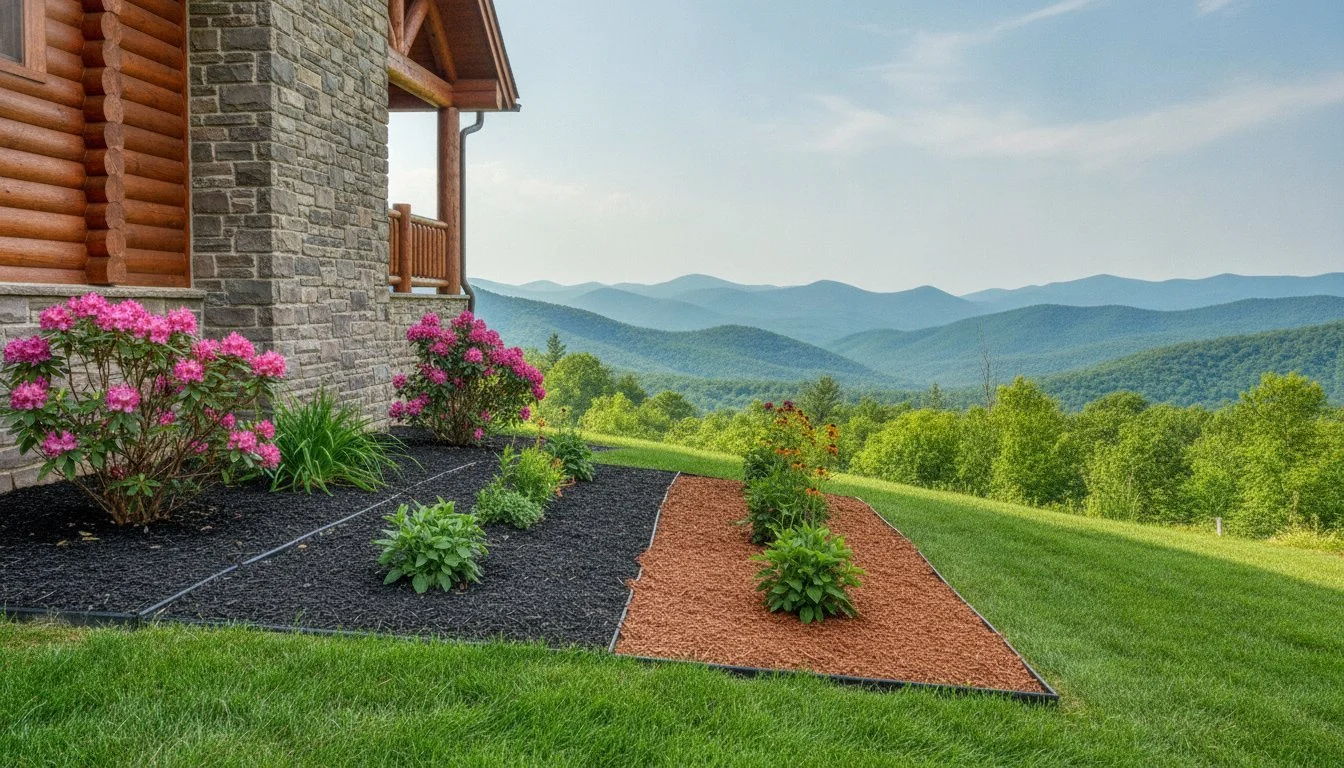
Did you know that a well-executed landscape design can increase your property's value by as much as 12.7 percent? While many homeowners focus on the plants themselves, the final layer often presents the biggest challenge. If you've spent hours choosing the right mulch color for my house, you likely know the frustration of finding a shade that doesn't clash with log siding or wash away on a steep mountain slope. You need a solution that balances aesthetic appeal with the practical demands of high-altitude living.
We view mulch as a strategic tool for property maintenance rather than just a decorative choice. This guide helps you select a professional-grade material that complements your home’s architecture and withstands the intense UV exposure of the High Country. You'll learn how to pair specific colors, like designer black or hardwood brown, with your home's exterior to create a cohesive, durable landscape that lasts through the seasons. We will also address logistical factors like delivery and application depth to ensure your weekend project is both efficient and successful.
Key Takeaways
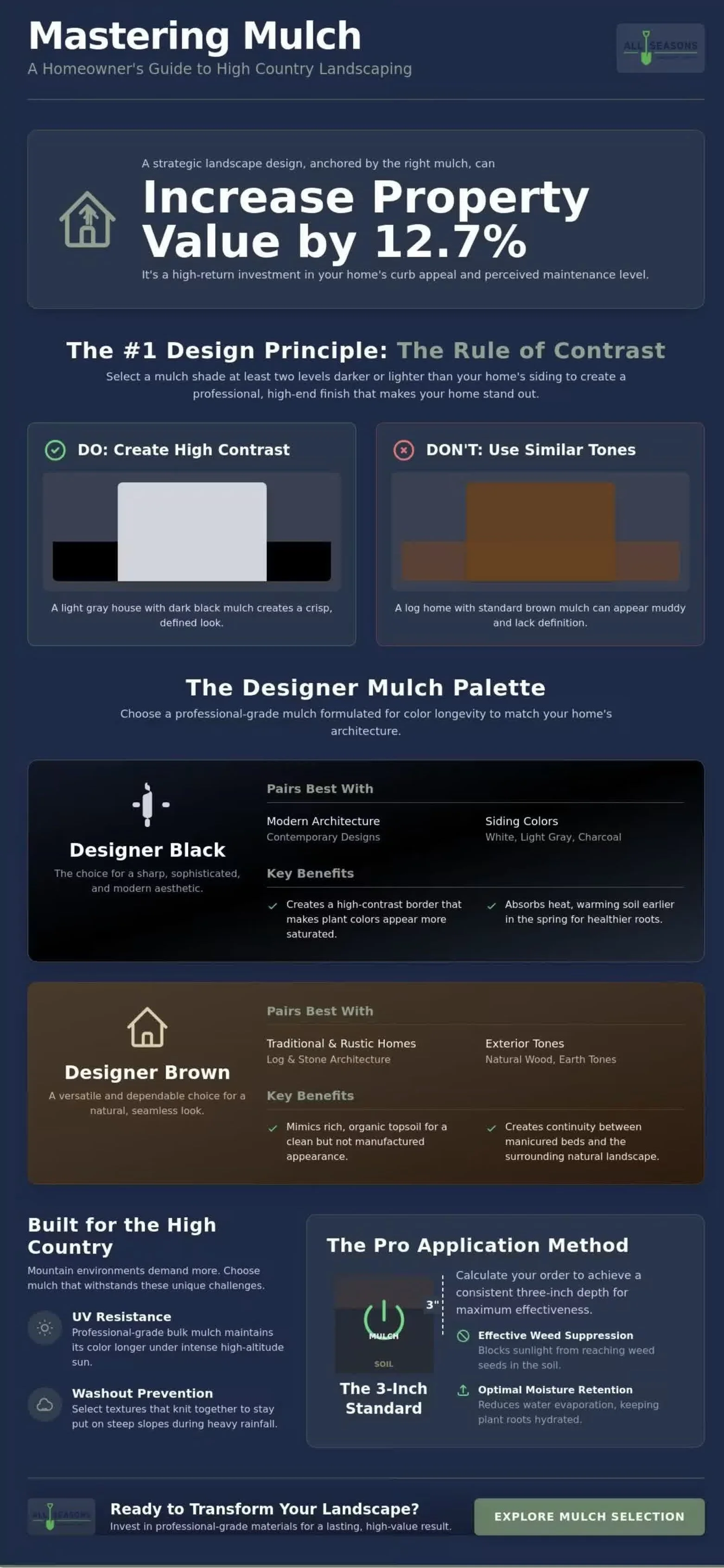
Apply the Rule of Contrast by selecting a mulch shade at least two levels darker or lighter than your home's siding to ensure a professional, high-end finish.
Simplify the process of choosing the right mulch color for my house by pairing Designer Black with modern gray exteriors or Designer Brown with traditional log-and-stone architecture.
Select specific mulch textures that knit together to prevent material from washing away on steep mountain slopes during heavy High Country rainfall.
Account for high-altitude UV exposure by choosing professional-grade bulk mulch that maintains its color longer than standard bagged options.
Calculate your order to achieve a consistent three-inch depth, which is the standard for effective weed suppression and moisture retention around your perennials and shrubs.
The Impact of Mulch Color on Your Home’s Curb Appeal
Mulch serves as the visual anchor of a residential landscape. It acts as a professional frame that defines the boundaries of flower beds and provides a clean transition between the foundation and the lawn. When you begin choosing the right mulch color for my house, you might focus solely on the immediate aesthetic. However, a strategic choice also addresses the functional requirements of the local environment. Understanding what mulch is helps clarify its dual role as a protective layer for High Country soil and a design element that signals attention to detail.
The psychological impact of color is significant. Darker tones like black or deep brown suggest sophistication and a sense of modern order. Natural or lighter tones evoke a rustic feel that blends with the mountain scenery. This visual choice creates a first impression for visitors, suggesting either a high-maintenance estate or a relaxed retreat. By grounding the property with a specific hue, you establish the tone for the entire outdoor space.
Defining Your Landscape Style
Mulch is the tool that transitions a property from a wild appearance to an intentional design. By selecting a specific color, you can draw the eye toward architectural highlights such as a custom entryway or a unique stone foundation. In the expansive properties common in the North Carolina mountains, mulch acts as a unifying element. It ties together disparate garden beds and shrubs across a large acreage. This creates a sense of continuity that would otherwise feel fragmented. It's the most efficient way to signal that every part of the property is under active management.
Why Professional Landscapers Prioritize Color Selection
Operational efficiency and property value are central to professional landscaping decisions. In Watauga County, where well-designed landscaping can increase property value by up to 12.7 percent, the right mulch color is a high-return investment. It influences the perceived level of home maintenance. A fresh application of dark mulch suggests consistent property management. This choice serves a practical purpose beyond value. A rich mulch color serves as a high-contrast backdrop, making the vibrant greens of your nursery trees and perennials stand out. When you're choosing the right mulch color for my house, remember that consistency across the property ensures a professional result that lasts through the season.
Analyzing the Designer Mulch Palette: Black, Brown, Red, and Natural
Selecting the correct material is both a logistical and aesthetic decision. While standard dyed mulches often fade quickly in intense sun, professional-grade designer options are formulated for color longevity. When choosing the right mulch color for my house, understanding the specific strengths of each palette ensures the final result remains consistent through the mountain's fluctuating seasons. Each color serves a strategic purpose, from modernizing a facade to grounding a rustic log home in its environment.
When to Choose Designer Black Mulch
Designer Black Mulch is the preferred choice for modern architecture and contemporary designs. It provides a sharp, high-contrast border for homes with white, light gray, or charcoal siding. This deep tone serves a practical purpose in the High Country; it absorbs heat more effectively than lighter materials. This characteristic helps warm the soil earlier in spring, which benefits the root systems of your nursery plants in Blowing Rock. The dark backdrop acts as a visual spotlight, making the vibrant greens of shrubs and perennials appear more saturated and healthy.
The Versatility of Designer Brown Mulch
Many professionals consider Designer Brown Mulch the most dependable option for mountain properties. It mimics the appearance of rich, organic topsoil and blends seamlessly with natural wood trim or log siding. If your property is surrounded by dense forest, brown mulch helps maintain continuity between the manicured beds and the natural landscape. It's an excellent choice for pulling together the earthy tones of fieldstone or flagstone foundations without overwhelming the visual space. This versatility makes it a safe, high-value choice for those who want a clean look that doesn't feel overly manufactured.
Other options in the palette address specific architectural and functional needs. Designer Red Mulch offers a bold alternative that complements warm-toned exteriors or brick accents, though its use requires a careful balance to avoid clashing with natural mountain surroundings. For those seeking a more rugged, texture-heavy aesthetic, Hardwood Mulch and Pine Bark Mulch provide organic shapes that feel authentic to a traditional mountain environment. These materials are particularly effective at 'knitting' together, which helps them stay in place during heavy rainfall. If your project prioritizes utility, Playground Mulch ensures a safe, clean surface for high-traffic areas without sacrificing the organized look of the rest of your landscape. You can view our full mulch selection to find the material that best supports your property's specific requirements.
Matching Mulch Color to Your Home’s Exterior and Architecture
Effective architectural design relies on the principle of contrast. When choosing the right mulch color for my house, the primary objective is to create a clear visual break between the siding and the ground. Professional designers follow the Rule of Contrast: they select a mulch that is at least two shades lighter or darker than the home’s exterior. If your house features light siding, such as cream or light gray, a dark material like Designer Black or Designer Brown provides the necessary depth to ground the structure. Conversely, a dark-colored home may benefit from the lighter, more natural tones found in Hardwood Mulch to prevent the landscape from feeling too heavy.
Log cabins and homes with heavy stone foundations require a specialized approach. These structures are staples of the High Country, yet they are often overlooked in standard design guides. For a log home, avoid matching the mulch exactly to the logs' stain. Instead, use a deep brown or black to provide a solid base that makes the natural wood grain stand out. If your home features a stone foundation, examine the individual flecks of color within the rock. Selecting a mulch that pulls from the darker mineral deposits in your flagstone or fieldstone creates a deliberate, high-end appearance that feels integrated rather than accidental.
High Country Home Styles: A Color Guide
Modern Mountain architecture often incorporates steel, glass, and dark-stained wood. In these instances, Designer Black Mulch is the superior choice. It accents the industrial features and provides a sleek, monochromatic look. For a Rustic Cabin, the goal is often to maintain a "wild" aesthetic. Natural Hardwood Mulch or Pine Bark Mulch works best here because their irregular textures mimic the forest floor. Traditional Craftsman homes, characterized by earthy palettes and detailed trim, are best served by Designer Brown. This choice maintains a timeless feel that doesn't compete with the home's detailed woodwork.
.
Coordinating with Hardscape and Walkways
Your mulch choice must also coordinate with the existing hardscape. Paths made of pea gravel or river rock offer distinct textures that can either complement or clash with your mulch. When installing mulch near light-colored stone screenings, be mindful of color bleed. Professional-grade dyed mulches are more stable, but it's still practical to use a physical border or a slight gap to keep colors distinct. Choosing the right mulch color for my house means considering the entire property as a single operational unit. The mulch should support the visual flow of your walkways without distracting from the premium stone materials used in your landscape beds.
High Country Factors: Durability, Fading, and Mountain Weather
The environmental conditions in the North Carolina mountains present unique challenges for landscape maintenance. Choosing the right mulch color for my house requires more than an eye for design; it demands an understanding of High Country climate patterns. Factors such as high-altitude sun exposure and steep terrain dictate how long a material remains vibrant and where it stays on the ground. A professional-grade selection ensures that your investment doesn't wash away during a summer storm or turn gray after a few weeks of exposure.
High-altitude UV exposure is significantly more intense in Boone than in the Piedmont regions. This thinner atmosphere allows more ultraviolet radiation to reach the ground, which accelerates the photochemical breakdown of organic pigments. While natural hardwood mulch typically fades to a silvery gray within a single season, Designer Black and Designer Brown options utilize mineral-based dyes. These dyes, often composed of carbon or iron oxide, are far more stable and resistant to the bleaching effects of the mountain sun. These materials provide a predictable outcome for property managers who require consistency across multiple seasons.
Combating Fade in the High Country Sun
Pigment retention is the primary differentiator between professional bulk mulch and lower-tier bagged products. Designer Black and Brown varieties retain their deep tones longer because the dye penetrates the wood fibers more effectively during manufacturing. To maintain this appearance, you can use the "refresh" technique. Simply raking the top inch of mulch every few months brings unexposed, vibrant material to the surface. UV-stable dyes are mineral-based pigments that resist photochemical breakdown, ensuring your flower beds maintain their intended curb appeal through the peak of August.
Mulch for Slopes and Erosion Control
Mountain weather is characterized by heavy, sudden rainfall that can easily displace loose landscaping materials. Shredded hardwood is the most dependable choice for sloped yards because the jagged, fibrous strands "knit" together. This interlocking action creates a stable mat that resists erosion much better than pine straw or large bark nuggets, which tend to float and migrate during downpours. For particularly difficult grades, combining shredded mulch with landscape stone provides a permanent solution that secures the soil while maintaining a clean aesthetic. Choosing the right mulch color for my house also means considering how that color looks against winter snow or autumn leaves; a deep brown or black provides a year-round anchor that never looks out of place.
Protect your property with materials designed for the mountain environment. Select your durable mountain mulch at allseasonssupply.com to ensure your landscape survives the next storm cycle.
Sourcing and Delivering the Perfect Mulch in Boone, NC
After you finish choosing the right mulch color for my house, the focus shifts to procurement and logistics. Bulk delivery remains the standard for professional property management in Watauga and Avery County. While bagged products from big-box retailers might seem accessible, they often lack the quality and volume consistency required for large mountain properties. Bulk material is more cost-effective and enables a uniform application that defines the professional character of your landscape.
Achieving the desired outcome requires precise volume calculations. To ensure effective weed suppression and moisture retention, you should aim for a consistent 3-inch depth across all beds. Ordering the correct volume prevents the logistical headache of mid-project shortages. We leverage 50 years of experience to help you pick the right material for your specific soil conditions and property layout. This level of expertise ensures that the mulch you select not only looks good but also supports the long-term health of your perennials and shrubs.
Navigating the terrain of the High Country presents specific delivery challenges. Steep, narrow, or gravel driveways require specialized equipment and experienced operators. We manage these complexities with a well-defined delivery process that prioritizes property safety and precise drop-off placement. This reliability allows you to focus on the application itself rather than the stress of transport.
Why Local Sourcing Matters for High Country Gardens
Local sourcing is a strategic choice for maintaining environmental integrity. Mulches sourced within the region are designed for the North Carolina climate and are less likely to contain the invasive species or contaminants often found in mass-produced, long-haul products. By supporting a family-owned business serving Boone, Blowing Rock, and Banner Elk, you ensure that your landscaping materials are fresh and ecologically sound. This local connection also means you receive personalized accountability that national chains cannot provide.
Planning Your Bulk Delivery
Preparation is key to a smooth weekend project. You should clear a flat, accessible area on your driveway or lawn to receive your bulk mulch delivery in Boone, NC. Marking the drop-off spot with a tarp or cones helps our drivers place the material exactly where you need it, minimizing the labor of moving it later. Timing is equally important; the best window for mulching in the High Country typically occurs in early spring, just as the ground begins to thaw and before your nursery plants enter their peak growth phase. This proactive approach lays the foundation for a resilient landscape that maintains its curb appeal year-round.
Ready to finalize your landscape design? Contact All Seasons Supply today for an expert mulch consultation and delivery quote!
Finalize Your High Country Landscape Strategy
Strategic landscaping requires a balance of aesthetic vision and logistical precision. By applying the Rule of Contrast and selecting materials designed for high-altitude UV exposure, you ensure your property maintains a professional, high-end appearance. Choosing the right mulch color for my house shouldn't be guesswork; it's a calculated decision that protects my soil and enhances my home's unique mountain architecture. Whether you select a sleek Designer Black or a traditional Hardwood Mulch, your choice serves as a functional tool for long-term property maintenance.
All Seasons Supply acts as your dependable partner throughout this process. We bring over 50 years of combined industry experience to every project, ensuring you receive the highest quality materials for your specific needs. As a locally owned and operated business, we understand the unique logistical challenges of mountain terrain. We provide reliable bulk delivery to properties throughout Boone, Blowing Rock, and Banner Elk, prioritizing efficiency and customer peace of mind.
Take the next step in optimizing your property's curb appeal with a partner dedicated to your operational success. Order Your Bulk Mulch Delivery Today and secure a long-lasting, cohesive look for your landscape. We look forward to supporting your seasonal maintenance goals.
Frequently Asked Questions
Which mulch color fades the least in direct sunlight?
Designer Black and Designer Brown are the most resistant to fading under the intense High Country sun. These materials use mineral-based pigments such as carbon and iron oxide that bond deeply to the wood fiber. Unlike natural hardwood mulch, which turns gray as it bleaches, these dyed options maintain their saturation throughout the entire season. This stability makes them a dependable choice for properties with high UV exposure at mountain altitudes.
Will dyed mulch stain my concrete driveway or stone walkway?
Dyed mulch can transfer color to porous surfaces like concrete or light colored flagstone if it's saturated immediately after installation. To prevent staining, don't apply mulch when heavy rain is forecasted within 24 to 48 hours. If you're receiving a bulk delivery, placing a tarp on your driveway provides a necessary barrier between the dyed material and the stone surface. This simple precaution ensures your hardscape remains clean and professional.
Is black mulch safe for my plants and the local High Country environment?
Designer Black Mulch is entirely safe for your nursery trees, perennials, and the local ecosystem. The colorant is a carbon-based pigment similar to those used in cosmetics and food packaging. These non-toxic dyes don't leach harmful chemicals into the soil, helping keep your garden healthy as you choose the right mulch color for your house. It's a sustainable choice for maintaining professional curb appeal without environmental risk.
What color mulch looks best with a gray house and stone foundation?
Designer Black Mulch offers the most professional contrast for a gray house with a stone foundation. This deep tone anchors the light siding and highlights the darker mineral flecks found in fieldstone or flagstone. It creates a sleek, modern aesthetic that makes the green foliage of your shrubs pop against the architecture's neutral palette. This combination is particularly effective for modern mountain designs common in Watauga County.
How much mulch do I need to cover my flower beds effectively?
You should apply mulch to a depth of three inches to ensure effective moisture retention and weed control. To calculate your needs, multiply the total square footage of your beds by 0.25 and divide by 27 to determine the required cubic yards. Achieving this specific depth is also required to meet local landscaping standards in the Town of Boone. Ordering the correct volume in bulk ensures a uniform finish across your entire property.
Can I use red mulch with a brick house, or will it clash?
Red mulch typically clashes with brick exteriors because the artificial red tones rarely align with the brick's natural, earthy hues. Choosing a contrasting color, such as Designer Brown or Designer Black, is usually more effective. These darker shades provide a neutral base that allows the architectural detail of the brickwork to stand out. This approach avoids a monochromatic look that can feel dated or overwhelming to the eye.
How often should I refresh the mulch color in my yard?
You should plan to refresh your mulch every 12 to 18 months to maintain both its functional and aesthetic benefits. While the color of designer varieties lasts longer than that of natural alternatives, the organic material eventually breaks down in the soil. Periodically raking the top layer can bring vibrant pigment to the surface. However, a full top-off is eventually necessary to maintain the protective layer at a consistent depth of 3 inches to suppress weeds.
Is Designer Brown mulch better than natural hardwood for weed suppression?
Designer Brown mulch and natural hardwood mulch offer similar weed-suppression benefits when applied at the correct depth of 3 inches. However, Designer Brown maintains its visual integrity longer, which prevents the unmanaged look that occurs when natural wood begins to bleach. When choosing the right mulch color for my house, consider that the dyed version provides a more consistent backdrop for your perennials throughout the entire growing season. This durability reduces the perceived need for mid-season maintenance.