
Creating a Fire Pit Area with Gravel: A Boone, NC Homeowner’s Guide
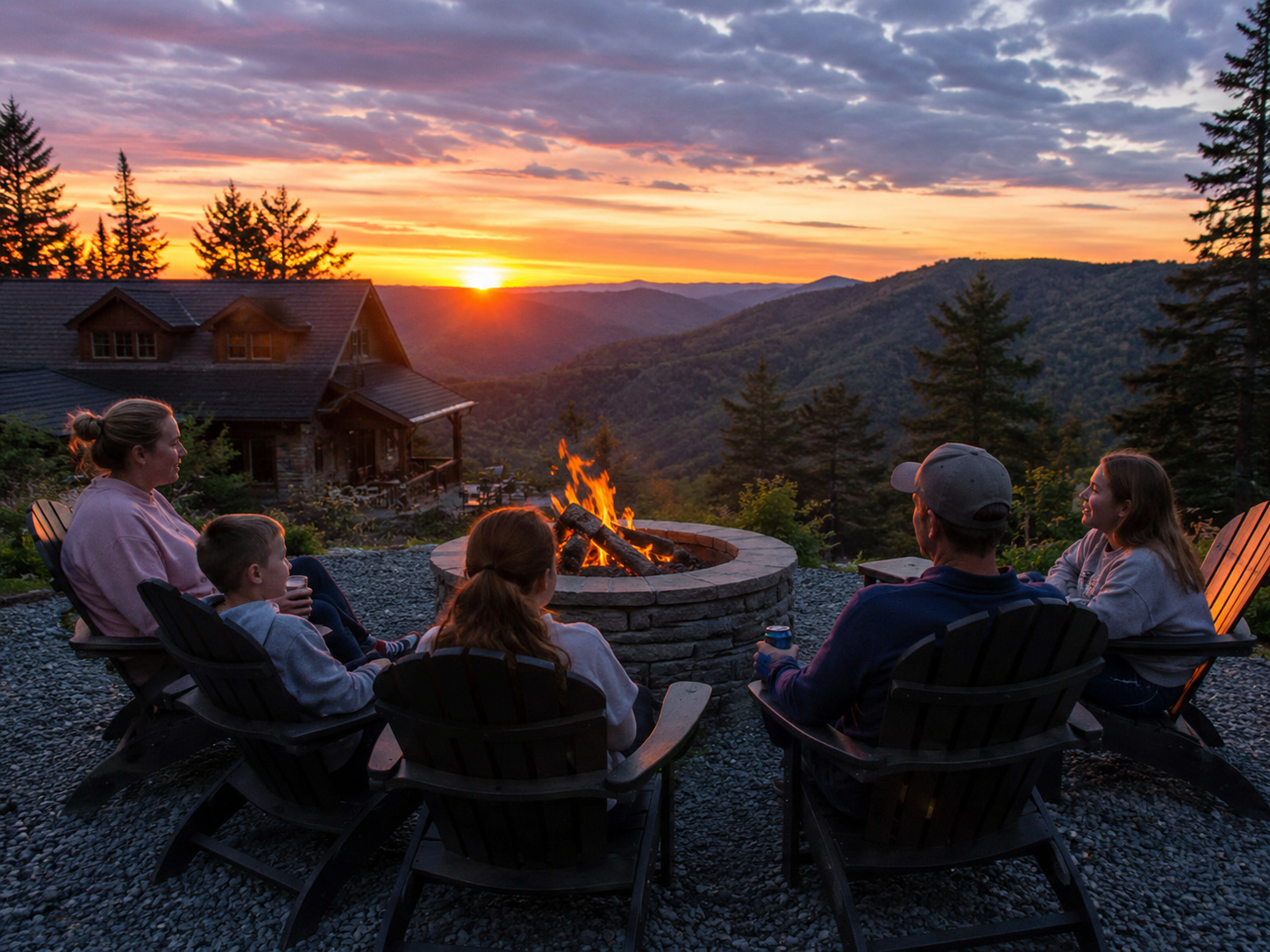
You spent your Saturday hauling heavy bags of stone in the back of your SUV, only to watch the next High Country thunderstorm wash your hard work down the ridge. It’s a frustrating reality for many homeowners in the North Carolina mountains. Between the steep slopes and the clay soil that traps water, building a lasting outdoor space requires more than just a shovel and a bag of rocks. You deserve a stable, attractive area where you can relax without worrying about erosion or shifting ground.
We understand that creating a gravel fire pit area that Boone residents can actually rely on requires a "drainage-first" approach. This guide provides a professional blueprint for designing a durable, well-draining fire pit area specifically tailored for our unique local terrain. You’ll learn how to choose the right materials, such as ABC stone for a compact base or pea gravel for a comfortable surface. We also explain how to manage mountain drainage and solve the logistical challenge of efficiently delivering bulk materials to your site. By the end of this article, you'll have a clear plan to transform your sloped yard into a safe, permanent gathering space.
Key Takeaways
Compare the functional benefits of Pea Gravel, River Rock, and ABC Stone to determine which aggregate best suits your foot traffic and drainage needs.
Master the "Cut and Fill" method to establish a perfectly level foundation on the challenging mountain terrain of Watauga County.
Discover why creating a fire pit area with gravel for Boone homeowners can be used year-round, depending on proper excavation depths and base layer compaction.
Simplify your project timeline by calculating cubic yardage and utilizing bulk delivery services to avoid the inefficiency of individual bag transport.
Learn how gravel’s natural flexibility protects your investment against the frost heaving and heavy rainfall common in the Blue Ridge Mountains.
Why Gravel is the Superior Choice for High Country Fire Pits
High Country homeowners face a specific set of environmental variables that demand more than just a standard backyard setup. When you are creating a fire pit area with gravel, Boone's weather and terrain must dictate your design choices. While solid paver patios are popular, they often struggle in our rainy climate. Gravel provides a stable, professional solution that addresses drainage and ground movement simultaneously. It's a dependable choice for properties that experience the heavy precipitation and steep grades common in Watauga County.
The technical advantages of gravel extend beyond simple water management. In the Blue Ridge Mountains, the freeze-thaw cycle is a constant factor. Solid surfaces like concrete or tightly joined pavers are prone to cracking as the ground shifts. Gravel is naturally flexible. It accommodates soil expansion and contraction without losing its structural integrity. This flexibility ensures your outdoor space remains functional and attractive for years, reducing the need for costly repairs. Understanding what a fire pit is and how it interacts with the ground helps in selecting the right foundation for safety and longevity.
Cost efficiency is another primary driver for choosing bulk stone. For homeowners looking to create large seating areas or expansive "outdoor rooms," gravel offers a significantly lower cost per square foot than high-end masonry. This allows you to allocate your budget toward premium features like high-quality seating or nursery trees to frame the space. It’s a practical way to achieve a high-end look while maintaining a focus on long-term durability.
Gravel vs. Pavers: The Drainage Factor
Gravel is a permeable material that allows water to move directly into the soil. This
It is a critical benefit in Boone, where heavy rains can quickly overwhelm solid surfaces, leading to erosion. Solid patios often require complex sub-drains or grading to prevent water from pooling near the home's foundation. In contrast, a well-prepared gravel bed acts as its own drainage system. While you'll need to clear leaves and forest debris occasionally to keep the surface clean, the underlying stone remains a steady partner in managing runoff. Using materials like ABC stone for a base and pea gravel for the surface creates a system that stays put during a downpour.
Aesthetic Integration with High Country Homes
Using natural stone textures helps your fire pit area blend with the rugged landscape. Many local homes feature fieldstone accents or timber frames; gravel complements these materials perfectly. It creates a naturalistic transition between a manicured lawn and the wild forest edge. You can use different textures, such as river rock for the perimeter and screenings for the interior, to define specific functional zones. This approach turns a simple fire pit into a strategic operational tool for your backyard, providing a clear, organized space for relaxation that feels like a natural extension of the mountain environment.
Selecting the Best Stone: Pea Gravel vs. River Rock vs. ABC Stone
Selecting the right aggregate is a strategic decision for any High Country project. Success depends on balancing aesthetics with structural stability. When creating a fire pit area with gravel, Boone homeowners often prioritize the stone's appearance, but the aggregate's performance matters just as much as its appearance. Using a single type of stone for the entire project is a common mistake. A professional installation typically utilizes a layered approach to ensure the area stays level and drains effectively during heavy mountain storms.
ABC Stone serves as the operational backbone of a durable fire pit. Often referred to as crusher run, this blend of crushed stone and fine dust packs into a solid, interlocking foundation. It prevents your fire pit kit or heavy seating from sinking into the clay soil. Without this base, even the most expensive decorative stone will eventually shift and become uneven. Planning the materials list is the first step in creating a gravel fire pit area that Boone residents can enjoy for years without constant maintenance.
For those interested in responsible burning practices, maintaining a clear, non-combustible gravel zone is a key safety measure. A well-defined stone perimeter provides a reliable buffer between your fire and the surrounding landscape. If you are ready to begin your project, you can order bulk materials to ensure consistency throughout your landscape and save on the overall cost.
The Pros and Cons of Pea Gravel
Pea Gravel is the most popular choice for the surface layer. It provides a distinct "crunch" and a level of comfort that larger rocks cannot match. It's easy on the feet and comes in various color profiles that complement local mountain architecture. However, because the stones are small and rounded, they can shift under heavy foot traffic. To prevent gravel from migrating into your lawn, install a sturdy border or edging to keep the stones within the designated perimeter.
When to Choose River Rock or ABC Stone
River Rock is best utilized for perimeter drainage and high-slope stability. These larger, smooth stones are heavy enough to stay in place when water flows over them during a downpour. They act as a functional border, catching runoff and directing it away from the central seating area. Screenings can also be used as a top dressing over ABC Stone to create a smoother, more "paved" feel. This fine particulate fills the gaps between larger stones, creating a firm surface that makes it easier to move chairs or walk in thin-soled shoes.
Site Prep: Managing Slopes and Drainage in Watauga County
Building a level space in Watauga County requires a technical approach to topography. A flat backyard is a luxury few mountain properties possess, meaning the first step in creating a fire pit area with gravel, Boone residents can use safely is managing the slope. You'll need to identify the high and low points of your intended perimeter before any stone arrives. The "Cut and Fill" method is the most efficient way to handle this; you excavate soil from the uphill side and use it to build up the downhill side. This creates a stable plateau without needing to haul away massive amounts of dirt.
Soil compaction and the regional frost line also play major roles in your project's longevity. Boone sits in a climate where the ground frequently freezes and thaws, causing uncompacted soil to heave and shift. Once you've leveled your site, installing heavy-duty landscape fabric is a necessary step. This barrier prevents your expensive gravel from migrating into the native clay soil over time. It ensures your base remains clean and functional year-round and prevents the area from becoming a muddy mess after the first winter.
Leveling Your Fire Pit on a Slope
To achieve a professional result, use a line level and stakes to mark the exact height of your finished surface. If your slope is particularly steep, you'll need to build a small retaining wall on the downhill side. Using local fieldstone is an excellent way to provide this structural support while maintaining a natural aesthetic. The goal is to ensure the fire pit itself rests on a perfectly level, non-combustible base. This prevents the unit from tipping and ensures even heat distribution during use. A level foundation is also essential for seating stability, ensuring chairs don't slide or tilt on the incline.
Erosion Control for Heavy Rain
Heavy High Country storms can quickly wash away loose aggregate if you haven't planned for drainage. You can create a "French drain" effect by placing larger stones beneath your seating area to direct water flow. Deep edging is also required to keep your surface gravel contained during a downpour. If you aren't sure which aggregate is best for your specific grade, consulting a landscape stone supplier in Vilas, NC, can help you select materials that offer high-slope stability. Combining a solid ABC stone base with a decorative river rock border provides the best defense against mountain runoff, keeping your investment exactly where you placed it.
Step-by-Step: Building Your Gravel Fire Pit Area
Transforming your backyard into a functional retreat requires a methodical execution of the design plan. When you begin creating a fire pit area with gravel, Boone properties often present hidden challenges, such as dense roots or rocky soil. Start by placing a center stake where your fire pit will sit. Attach a string and use marking paint to draw a circle with a 12 to 14-foot diameter. This size provides the ideal "sweet spot" for comfortable seating while maintaining a safe distance from the flames. Excavate this area to a depth of 4 to 6 inches using a square-edged spade. This specific tool allows for clean, vertical borders that make installing edging much simpler.
Once the area is cleared of sod and debris, install your chosen edging. Whether you choose metal, timber, or local fieldstone, the edging must be set firmly to contain the aggregate. This step is non-negotiable for long-term stability. You can purchase the necessary stone and edging materials to ensure you have the right inventory on hand before you break ground. A dependable project starts with the right supplies delivered directly to your site. This organized approach is critical to creating a gravel fire pit area that Boone homeowners can be proud of for many seasons.
Marking and Excavation
Precision during the excavation phase prevents future headaches. Removing the sod is only the first step; you must also address any mountain roots that might interfere with a level base. Be careful not to damage the roots of nearby large, established nursery trees. A depth of 6 inches accounts for both your structural base and your decorative top layer. This depth ensures the gravel remains slightly below the level of your lawn. This prevents stones from escaping into the grass during routine lawn care and ensures a clean transition between landscape zones.
The Layering Process for Stability
Skip the shortcut of pouring gravel directly onto the dirt. A single layer will fail within one season as the stones sink into the ground. Instead, lay a 2-inch base of ABC stone or screenings. This layer requires thorough compaction. Use a manual tamper for smaller areas or a power tamper for larger projects to create a firm, unyielding foundation. Once the base is set, spread your final 2 to 3 inches of decorative pea gravel or river rock. This multi-layer approach ensures your seating area remains stable and well-drained, even under the weight of heavy outdoor furniture. It's a professional standard that guarantees your fire pit remains a focal point of your property for years to come.
Sourcing and Logistics: Bulk Delivery in the High Country
Logistical planning is just as critical as the physical labor involved in your project. When you are creating a fire pit area with gravel, Boone terrain makes material transport a significant factor. Many homeowners initially consider buying individual bags from a big-box retailer. However, a standard 14-foot fire pit area excavated to a 4-inch depth requires several tons of stone. Transporting this volume in a passenger vehicle is inefficient and puts unnecessary strain on your suspension. Bulk delivery is the professional solution, providing the inventory you need in a single drop-off while reducing the total cost per square foot.
Relying on local expertise ensures your project stays on schedule. At All Seasons Supply, we leverage over 50 years of experience to help homeowners navigate the complexities of mountain deliveries. We understand the specific aggregates required for stability on Watauga County slopes. Choosing a dependable partner means you won't be caught off guard by material shortages mid-project. It's about ensuring operational continuity from the first shovel of dirt to the final spread of decorative stone.
Calculating Your Material Needs
Accurate measurements prevent costly delays. To find the volume of stone required, use the standard industry formula: (Area in square feet x Depth in inches) / 324 = Cubic Yards. For example, a 150-square-foot circle at a depth of 4 inches requires approximately 1.85 cubic yards. Always order at least 10% extra to account for compaction and settling, especially when using ABC stone as a base. If you're also planning to refresh the landscape around your new seating area, you can find mulch near me to help calculate the needs for your surrounding garden beds. Having all your materials delivered at once simplifies your project timeline.
Planning for a Boone Delivery
Successful delivery in the High Country requires foresight. Our mountain roads are often narrow, and low-hanging overhead wires can obstruct large dump trucks. Before your delivery arrives, designate a clear dump spot that is easily accessible for the driver but close enough to the site to minimize wheelbarrow travel. Check for steep inclines or soft ground that might limit truck access. If you're ready to move forward with your project, contact All Seasons Supply for a quote on bulk gravel delivery. Providing clear instructions for site access helps us ensure your materials are placed exactly where you need them, allowing you to focus on creating a gravel fire pit area that Boone families can enjoy for years to come.
Establish a Permanent Outdoor Retreat
Building a durable outdoor space in the mountains requires a commitment to proper site prep and strategic material selection. A multi-layered approach using an ABC stone base and high-quality surface aggregate is the most effective way to combat the High Country's heavy rains and shifting soil. By managing your slopes through methodical leveling and ensuring proper drainage, you are creating a gravel fire pit area that Boone families can depend on for decades. These steps move your project from a temporary DIY effort to a professional-grade installation that adds lasting value to your property.
All Seasons Supply is ready to be your steady partner in this transformation. As a locally owned family business with over 50 years of combined industry experience, we understand the logistical challenges of our unique terrain. We provide specialized delivery for High Country mountain properties, ensuring your stone arrives exactly where it's needed. Order Your Bulk Fire Pit Materials from All Seasons Supply today to secure the inventory needed for a stable, attractive finish. Your vision of a perfect mountain evening is within reach.
Frequently Asked Questions
What is the best gravel for a fire pit area in Boone?
A combination of ABC stone for the foundation and pea gravel for the surface is the most effective choice for our local climate. ABC stone provides the compaction needed for a stable base, while pea gravel offers an attractive, comfortable finish for seating. For properties with higher moisture levels, adding a border of larger river rock helps manage runoff without sacrificing the visual appeal of your project.
How deep should the gravel be for a fire pit seating area?
You should aim for a total depth of 4 to 6 inches to ensure long-term stability. This typically includes a 2-inch compacted base of ABC stone followed by 2 to 3 inches of decorative aggregate. Maintaining this depth prevents the stone from shifting excessively under the weight of furniture and ensures the area remains level despite the frequent freeze-thaw cycles common in the High Country.
Do I need a permit to build a fire pit in Watauga County?
No permit is required for recreational fire pits within the Town of Boone or for small fires within 100 feet of a dwelling in Watauga County. However, you must burn only vegetative materials, such as firewood; burning trash or construction debris is strictly prohibited. You should always check for active burn bans, as the NC Forest Service may prohibit all open burning during periods of high fire risk.
How do I keep weeds from growing through my gravel fire pit?
Installing a professional-grade, heavy-duty landscape fabric beneath your stone layers is the most reliable way to prevent weed growth. This barrier blocks sunlight and keeps the gravel from mixing with the native soil. For additional protection, keep the area clear of organic debris like leaves and pine needles, which can break down over time and create a nutrient-rich environment where seeds might germinate.
Can I put a fire pit directly on top of pea gravel?
You can place a portable fire pit on pea gravel, but heavier stone kits should rest on a compacted base of ABC stone or a solid flagstone pad. Because pea gravel consists of small, rounded stones, it can shift under significant weight.
ght.
Ensuring the creation of a fire pit area with gravel that Boone residents can use safely requires providing a level, non-combustible foundation to prevent the fire pit from tipping or sinking.
How do I prevent my gravel from washing away on a slope?
Preventing washouts on a slope requires a combination of deep edging and proper site grading. Using the "Cut and Fill" method to create a level plateau ensures water doesn't gain momentum across the surface. Additionally, a perimeter of larger river rock acts as a functional drain, catching runoff and directing it away from the smaller pea gravel in your central seating area.
What is the difference between ABC stone and pea gravel?
ABC stone is a mixture of crushed rock and fine dust designed to compact into a hard, interlocking surface, while pea gravel consists of small, smooth, rounded stones used primarily for decoration. ABC stone serves as the structural foundation that prevents sinking and shifting. Pea gravel is the aesthetic top layer that provides the classic look and feel for a gravel fire pit area, which Boone homeowners prefer for outdoor entertaining.