
DIY Landscape Project Advice: Success in Blowing Rock’s High Country
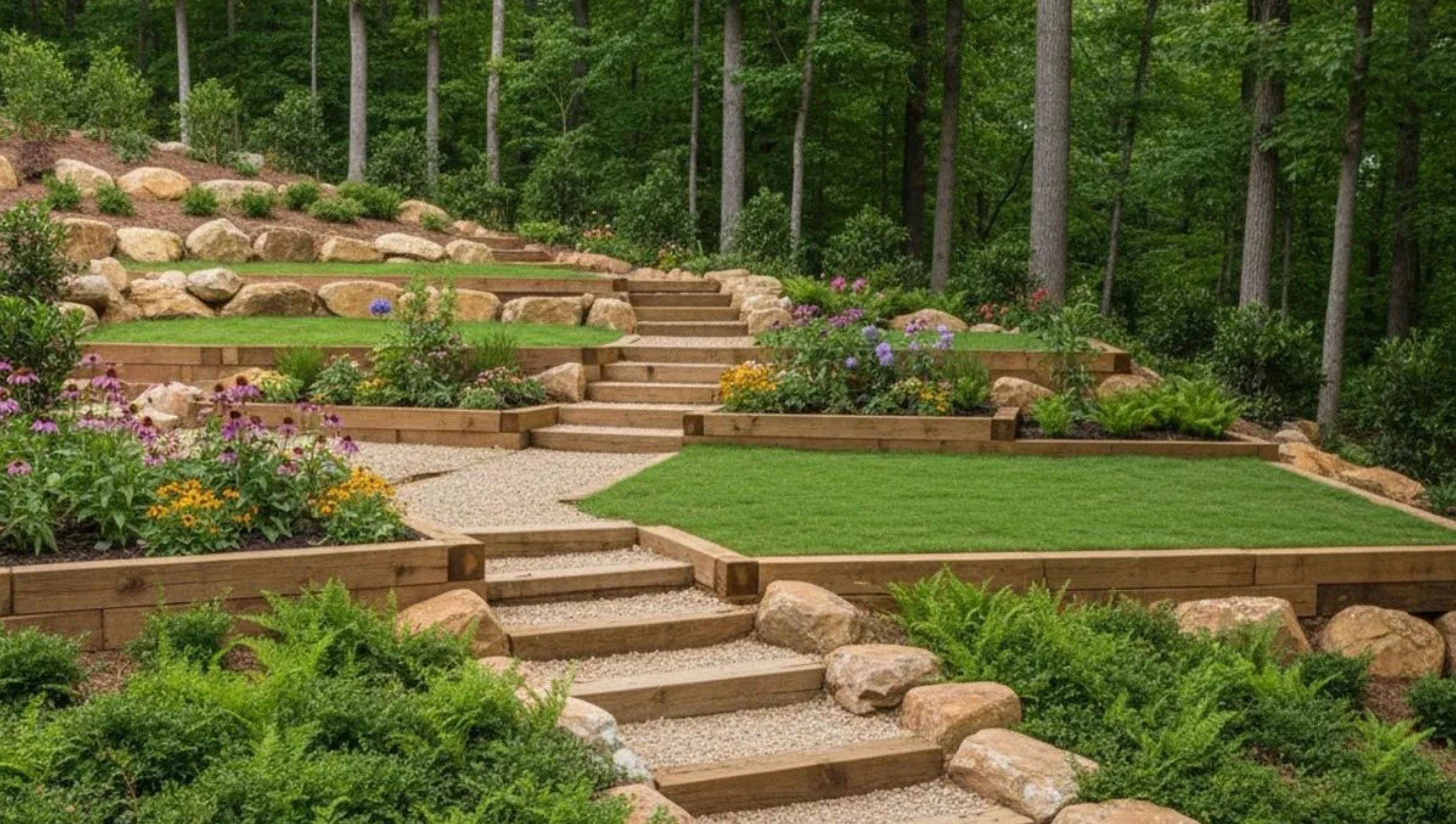
Successful landscaping in the High Country is an exercise in mountain engineering, not just traditional gardening. You've likely felt the frustration of watching expensive mulch wash away during a summer storm or losing a new perennial to an unexpected October frost. It's a common challenge for those tackling outdoor improvements on the steep, irregular terrain of Western North Carolina. We understand that your goal is to build a landscape that lasts, which is why we've compiled this DIY landscape project advice for Blowing Rock residents to ensure their hard work survives the seasons.
By selecting the right river rock for drainage or the correct hardwood mulch for slope stability, you can increase your home's perceived value by as much as 11.4 percent. This article provides a clear roadmap for planning your project, including how to navigate the town's $35 permit fees for grading or walls and how to accurately estimate bulk material needs. We'll explore the best native plants for our climate and the strategic use of stone and soil to create a resilient, professional-grade outdoor space that respects both your budget and your time.
Key Takeaways
Learn how to manage the unique "vertical yard" of the High Country by selecting materials that resist runoff and erosion on steep mountain slopes.
Access expert DIY landscape project advice. Blowing Rock homeowners need to choose between hardwood mulch and river rock for optimal drainage and stability.
Master the 1-cubic-yard rule of thumb to accurately calculate bulk material needs for the irregular terrain common in Watauga County.
Identify nursery trees and perennials specifically suited for USDA Hardiness Zones 6b to 7a that can withstand unpredictable mountain frosts.
Understand the logistical advantages of using locally grown nursery stock to ensure your new plantings are already acclimated to the specific mountain climate.
The Unique Challenges of DIY Landscaping in Blowing Rock
Landscaping in the High Country requires a shift in perspective. You aren't just gardening; you're working within a complex ecosystem defined by the Unique Challenges of DIY Landscaping in Blowing Rock. Reliable DIY landscape project advice for Blowing Rock homeowners should prioritize understanding that the mountain environment is unforgiving to those who ignore its rules. Between the steep gradients and the thin, rocky soil, every choice from material selection to plant placement must be intentional.
The "Vertical Yard" is the most visible obstacle for local residents. Gravity is a constant force that moves water, soil, and mulch downhill. If you don't account for runoff, your weekend project could end up in a drainage ditch after a single heavy rain. Managing a vertical yard means you aren't just planting; you're stabilizing. We often recommend using hardwood mulch because its shredded texture allows it to interlock and stay on slopes better than pine bark. For areas with significant water flow, river rock or ABC stone can create functional drainage channels that prevent erosion while adding a natural aesthetic. You must also design for the local wildlife. Deer are a constant presence, and heavy snow loads can easily snap branches on shrubs that aren't structurally sound.
Elevation and the Growing Season
Blowing Rock sits at an elevation of over 3,500 feet. This height significantly shortens the growing season compared to the surrounding foothills. Plants remain dormant longer, and the risk of a killing frost persists well into May. Successful DIY landscape project advice Blowing Rock enthusiasts follow includes identifying microclimates on their specific property. A south-facing slope might thaw weeks before a shaded northern corner. Protecting new nursery trees or perennials from late-spring cold snaps is vital to their long-term survival in USDA Hardiness Zones 6b-7a.
Soil Health and Preparation
Mountain soil is notoriously difficult. It's often highly acidic and heavy with clay or buried rock. Testing your soil pH is an essential first step before you dig. Most High Country soil requires significant amendments to support healthy growth. Incorporating organic compost helps break up dense clay, while adding quality topsoil or potting soil provides the nutrient base that native mountain soil often lacks. Proper preparation ensures that, when the high-rainfall months arrive, your beds have the drainage needed to prevent root rot and plant failure.
Selecting the Right Foundation: Bulk Materials for Mountain Terrain
A successful project begins with a stable foundation. In the High Country, your choice of bulk materials determines whether your landscape thrives or washes away during the next heavy storm. Reliable DIY landscape project advice, which Blowing Rock residents often need, centers on material weight and texture. Hardwood mulch is the preferred choice for steep inclines because its shredded fibers interlock. This creates a stable mat that resists heavy rainfall. In contrast, pine bark mulch is buoyant and prone to washing out on slopes, making it better suited for flat garden beds.
For structural elements, flagstone provides a clean, uniform surface for formal entries and patios. Fieldstone offers a rugged aesthetic that blends into the mountain environment, ideal for naturalistic retaining walls or borders. When building these features, using ABC stone as a base ensures long-term stability. Proper material selection also protects your plantings. According to NC State Extension's guide to native plants, establishing the right environment is key to the success of local species. You can find these essential materials and more at All Seasons Supply to ensure your project stands the test of time.
Mulch Selection for Slopes
Double-ground hardwood mulch is particularly effective for the terrain in Watauga County. Its fine texture allows it to settle quickly and form a protective barrier over the soil. For those with acid-loving plants like rhododendrons or mountain laurel, pine straw is an excellent alternative. It adds necessary acidity to the soil while providing a lightweight, natural cover. If aesthetics are a priority, designer brown or black mulch can complement the dark hues of local fieldstone. These dyed mulches maintain their color throughout the season, even with the intense UV exposure found at higher elevations.
Stone and Gravel Solutions
Managing runoff is a primary concern for any mountain homeowner. River rock is an ideal tool for creating dry creek beds that direct water away from your home's foundation. For smaller drainage needs or decorative borders, pea gravel offers a clean, permeable surface that allows water to soak into the ground. When laying stone paths, use screenings to fill gaps and provide a level finishing layer. This prevents shifting during the winter freeze-thaw cycles. ABC stone is a dense, compactable mix of crushed rock and fines that creates the solid foundation required for any DIY patio or walkway project.

Step-by-Step: Planning Your High Country DIY Project
Planning a mountain landscape requires more than a simple sketch. You must account for your property's topography to avoid costly mid-project corrections. Effective DIY landscape project advice for Blowing Rock homeowners starts with a logical sequence: stabilize the ground, manage the water, and then add life. By following a phased approach, you ensure that heavy lifting doesn't compromise delicate finished work.
Always begin with your hardscape. Moving heavy flagstone or fieldstone across a newly mulched bed or near delicate annuals is a recipe for rework. By installing your stone paths and ABC stone bases first, you establish the yard's structural bones. This sequence also allows you to address drainage issues with river rock or pea gravel before you invest in expensive nursery trees or shrubs. Standard property maps are two-dimensional, but your yard is not. When measuring for mulch or stone, you must account for the actual surface area of slopes. A 45-degree incline has significantly more surface area than its horizontal footprint. Ignoring this geometric reality leads to material shortages that stall your progress.
Accurate Material Calculation
Precision is the key to operational efficiency. Use a mulch calculator to translate your measurements into cubic yards. For most applications, the 1-cubic-yard rule of thumb is essential: one yard covers 324 square feet at a depth of one inch. However, for mountain projects involving irregular fieldstone or river rock, we recommend adding a 10 percent buffer to your order. This accounts for the voids between stones and the inevitable settling that occurs on uneven ground. For new flowerbeds, aim for a soil depth of at least 6 inches, using a blend of topsoil and compost to provide a nutrient-rich environment in our rocky terrain.
Delivery and Logistics
Bulk material delivery is a logistical operation that requires preparation. Ensure your driveway is clear of low-hanging branches and vehicles before the truck arrives. Mark your desired drop-off points clearly with stakes or spray paint to avoid blocking essential access. If you're placing materials on a slope, start at the highest point and work your way down to minimize the physical strain of moving heavy soil or river rock. This strategy represents the practical DIY landscape project advice Blowing Rock residents need to maintain safety. Use a sturdy wheelbarrow and proper lifting techniques to protect your back as you navigate the incline.
Planting for Permanence: High Country Hardy Species
Once you've established your hardscape foundation and addressed drainage, the focus shifts to the living components of your design. Success in the High Country depends on selecting species that can handle the specific environmental stressors of Watauga County. Practical DIY landscape project advice for Blowing Rock homeowners involves choosing plants for their resilience rather than just their appearance. You need species that can survive frozen ground and heavy snow loads while thriving in the naturally acidic, thin soil found at our high elevation.
Designing for deer pressure is a necessity, not an option. Avoid planting hostas, daylilies, or hydrangeas in unprotected areas, as these are primary targets for local wildlife. Instead, look for deer-resistant shrubs like Boxwood or Pieris. If you are unsure which species will withstand the local climate and wildlife, we recommend visiting All Seasons Supply to browse our current inventory of hardy mountain plants. We stock a variety of nursery trees and shrubs that are specifically acclimated to the unique conditions of the Blue Ridge Mountains.
Hardy Shrubs and Trees
Rhododendrons and Azaleas are the gold standard for mountain landscapes. They're naturally adapted to our acidic soil and provide a massive structural presence that anchors a property. For those seeking year-round privacy or windbreaks, evergreens like the Eastern Hemlock or various spruce varieties offer durable visual interest. When planting in thin, rocky mountain soil, ensure you dig a hole twice as wide as the root ball and backfill with a mix of native soil and quality compost. This gives nursery trees the initial boost they need to establish deep roots. You can find a complete list of acclimated species in our Blowing Rock nursery guide to help you make informed decisions.
Perennials for Color
Perennials in the High Country must be root-hardy to survive the deep freezes of winter. The best DIY landscape project advice for Blowing Rock residents on color is to focus on varieties with shorter bloom cycles. This ensures they complete their growth cycle before the first hard frost, which often arrives earlier than expected in the mountains. Groundcovers are particularly useful for DIYers managing steep banks where mowing is difficult. Creeping phlox or stonecrop can naturalize these areas, providing vibrant color while simultaneously helping to stabilize the soil against erosion. For seasonal pops of color, incorporating annuals into containers or protected beds allows for variety without the long-term commitment of permanent planting.
Executing Your Vision with All Seasons Supply
Successful mountain landscaping requires a partner who understands the local terrain as well as you do. While general DIY landscape project advice can be found online, nothing replaces the value of local expertise and acclimated materials. We've spent decades supporting High Country homeowners, ensuring they have access to professional-grade products that stand up to the unique demands of our environment. Our team brings 50 years of combined experience to every interaction, providing the stability and knowledge necessary to navigate complex mountain projects with confidence.
Choosing local
Growing nursery stock over big box store alternatives is a strategic decision for your landscape's longevity. Plants grown at our elevation are already adapted to the region's shorter growing seasons and specific soil chemistry. This reduces transplant shock and increases the survival rate of your investment. We prioritize operational efficiency and deliver bulk materials reliably across Watauga, Avery, and Ashe Counties to keep your project on schedule. Whether you are moving several yards of hardwood mulch or a pallet of flagstone, we ensure the logistics of procurement don't stall your progress.
The All Seasons Advantage
We operate as a family-owned business deeply rooted in the High Country. This allows us to provide individualized attention and expert consultations that turn your conceptual ideas into a workable operational plan. Our inventory includes professional-grade materials typically reserved for contractors, now accessible for the residential DIYer. From nutrient-dense compost to structural ABC stone, we maintain a steady supply of the tools you need to build a resilient outdoor space. We respect your project timeline and work to provide delivery schedules that align with your available labor and weather windows.
Next Steps for Your Project
Visit our garden center to see our selection of flagstone, fieldstone, and perennials in person. Seeing the textures and colors of our designer mulches and river rocks firsthand helps you make better aesthetic decisions for your property. If you're ready to begin, you can schedule your bulk mulch delivery in Boone or call our office at 828-416-0134. Because bulk material prices are not listed online, speaking with our staff is the best way to get a custom quote for your specific stone or soil needs. We're here to help you calculate your volume requirements and provide the practical guidance required for a successful DIY execution.
Build Your High Country Legacy
Mastering mountain terrain requires a blend of engineering and patience. By prioritizing erosion control with interlocking hardwood mulch and utilizing the 1-cubic-yard rule for accurate material calculations, you ensure your project is built to last. Selecting nursery trees and perennials that are already acclimated to Watauga County’s climate is the final step in creating a resilient outdoor space. This DIY landscape project advice, which Blowing Rock residents rely on, helps turn difficult slopes into functional, beautiful assets.
All Seasons Supply is ready to support your efforts with over 50 years of combined industry experience. As a family-owned and operated business since 2019, we take pride in providing the locally grown nursery stock and professional-grade materials your property deserves. We understand the logistical challenges of mountain living and offer the steady partnership you need for operational success. Plan your next project with All Seasons Supply today to secure the high-quality stone, soil, and plants you need to bring your vision to life. Your mountain home is a significant investment; we're here to help you protect and enhance it for years to come.
Frequently Asked Questions
When is the best time to start a landscaping project in Blowing Rock?
The most effective time to begin is in late spring, typically after the final frost in mid-to-late May. Because of our 3,500-foot elevation, the growing season is significantly shorter than in the surrounding foothills. Starting in late May or early September allows new nursery trees and shrubs to establish root systems during milder weather. This timing avoids the stress of extreme summer heat or mid-winter freezes.
How much mulch do I need for a standard flower bed?
One cubic yard of mulch covers approximately 324 square feet at a depth of one inch. For a standard flower bed, we recommend a depth of two to three inches to effectively suppress weeds and retain soil moisture. This means one cubic yard will cover roughly 100 to 150 square feet. Accurate measurements of your bed's square footage are essential for maintaining project efficiency and budget.
What is the best material for preventing erosion on a steep mountain slope?
Double-ground hardwood mulch is the superior choice for stabilizing steep mountain inclines. Its shredded fibers interlock to form a dense mat that resists washing away during heavy rainfall in the High Country. For areas with extreme runoff, incorporating river rock or ABC stone creates durable drainage channels. These structural elements protect your topsoil and prevent the erosion common on vertical mountain yards.
Can I get bulk landscape stone delivered to a narrow mountain road?
Bulk delivery is possible on most mountain roads, provided there is adequate clearance for a delivery truck. You should check for low-hanging branches and ensure the drop-off point doesn't block essential access. Marking your preferred location with stakes or spray paint helps our drivers navigate narrow points safely. This coordination ensures your river rock or flagstone arrives exactly where it's needed.
Do I need to amend my soil before planting in the High Country?
Amending mountain soil is almost always necessary due to high acidity and heavy clay or rock content. Incorporating organic compost or quality topsoil provides the nutrients and drainage that native soil lacks. This preparation is a vital piece of DIY landscape project advice Blowing Rock homeowners should follow to ensure long-term plant health. Proper soil prep reduces plant stress and promotes faster root establishment.
What are some deer-resistant plants that grow well in Blowing Rock?
Boxwoods, Pieris, and certain spruce varieties are dependable choices for areas with high deer pressure in Watauga County. While no plant is entirely "deer-proof," if food is scarce, these species are generally less attractive to local wildlife. Selecting these hardy shrubs ensures your landscape remains intact year-round. This strategy allows you to enjoy a lush yard without constant damage from mountain deer.
Is it better to use hardwood mulch or pine straw in North Carolina?
The choice depends on your specific terrain and the types of plants you are installing. Hardwood mulch is better for slopes and weed suppression because of its weight and interlocking texture. Pine straw is an excellent, lightweight option for acid-loving plants such as rhododendrons and azaleas. It provides a natural aesthetic that blends seamlessly with the forest environment while slowly acidifying the soil as it decomposes.
How do I calculate how much topsoil I need for a new lawn?
To calculate topsoil needs, multiply the total square footage by the desired depth in inches, then divide by 324. For a new lawn, a depth of at least three to four inches is often recommended. If you are covering 1,000 square feet at a depth of three inches, you'll need approximately nine cubic yards of soil. This calculation ensures you have enough material to create a level, healthy base.
Hiring a Web Designer? Don't Sign Anything Until You've Asked These Questions.
EDIT SITE FOOTER
Legal
Privacy Policy
Terms and Conditions
Client Links
Ground Effects of Boone
All Seasons Supply
Raleigh Adams
Franklin Aerospace
Copyright © 2024-2026 BigMacDaddy Designs | All Rights Reserved
Cookie Preferences