
The Complete Guide to Nursery Plants in Blowing Rock: Choosing High Country Hardy Species
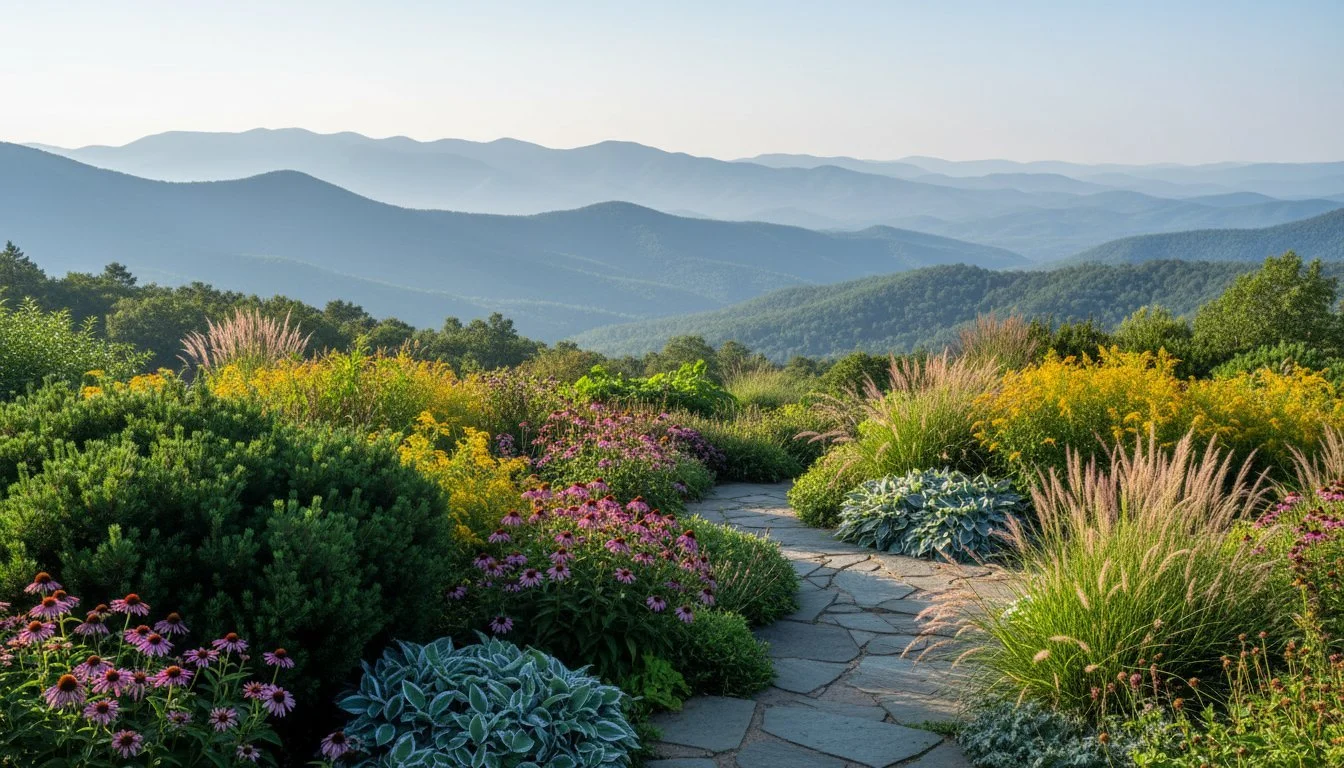
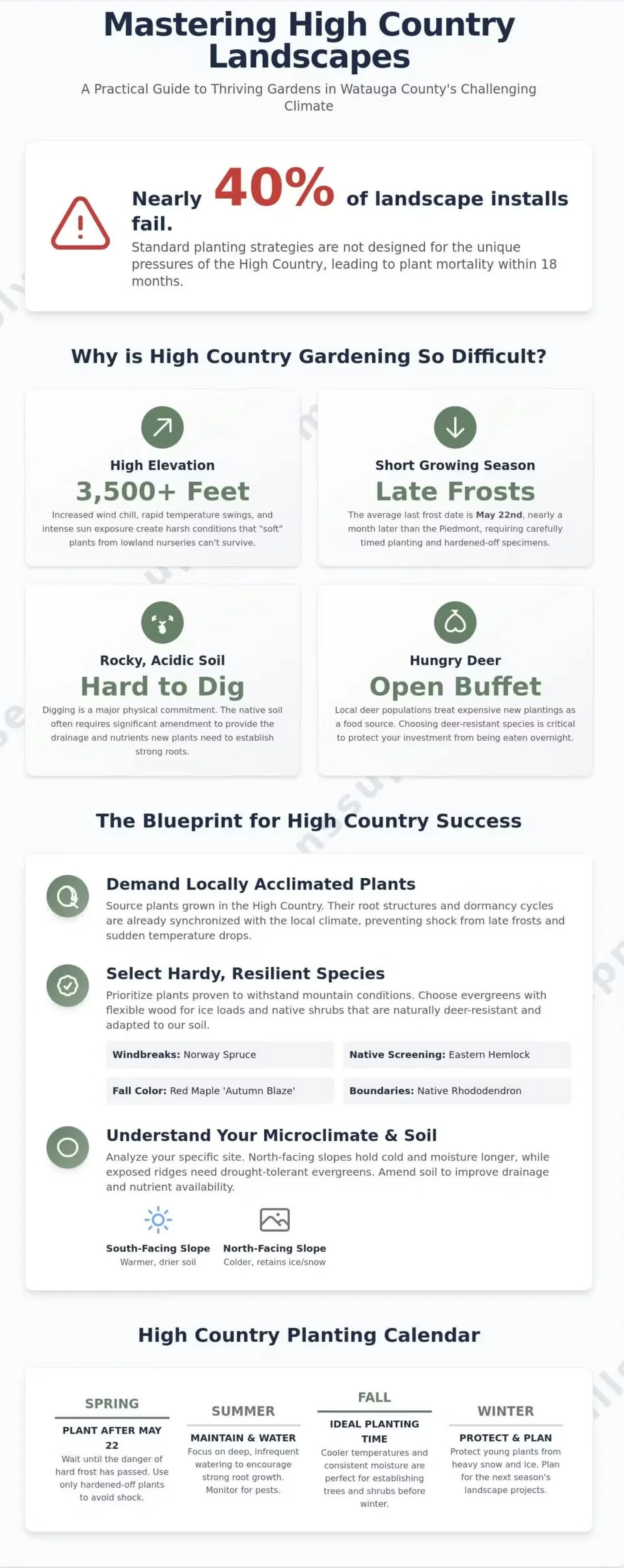
Why do nearly 40% of landscape installs in Watauga County fail in the first 18 months? Gardening at an elevation of 3,500 feet presents obstacles that lowland strategies can't solve. You've likely experienced the frustration of a sudden May frost that damages new growth. Or, you've seen local deer treat your investment like an open buffet. Digging into our notoriously rocky soil is a significant commitment of time and resources. It shouldn't end in plant mortality.
This guide offers the practical solutions required to master these High Country variables. We'll show you how to select the nursery plants Blowing Rock properties need to achieve a resilient, year-round landscape. By focusing on the specific requirements of USDA Zones 6b and 7a, you can ensure your shrub and tree inventory thrives despite the harsh climate. We provide a complete overview of hardy species selection, soil preparation for rocky terrain, and integrated protection strategies to secure your property's long-term success and operational continuity.
Key Takeaways
Understand how the unique 3,500+ ft elevation and overlap of USDA Hardiness Zones (the USDA Hardiness Zone is a standard that helps gardeners determine which plants are most likely to thrive at a location) in Watauga County dictate your specific planting window and frost dates.
Identify the most resilient evergreen and flowering species designed to provide year-round privacy and color despite rigorous mountain winters.
Discover professional solutions for managing acidic, rocky soil and selecting deer-resistant nursery plants. Blowing Rock properties need a lasting success.
Master a precise seasonal calendar to optimize your planting and maintenance schedule for maximum plant survival and health.
Learn how sourcing locally acclimated inventory and leveraging expert guidance can eliminate the risk of common, costly High Country gardening mistakes.
Choosing Nursery Plants in Blowing Rock: The High Country Climate Factor
Successful landscaping in Watauga County requires a technical understanding of environmental variables that differ significantly from the rest of North Carolina. Selecting nursery plants Blowing Rock homeowners can rely on starts with recognizing the intersection of USDA Hardiness Zones 6b and 7a. While these zones suggest a minimum temperature, the 3,500-foot elevation introduces wind chill and rapid temperature fluctuations that big-box retailers often overlook. Reliable growth depends on sourcing stock that can handle these specific stressors without failing during the first winter cycle.
Mountain hardiness is a distinct category of resilience. Plants grown in the Piedmont region are often pushed to market early using greenhouse heat, making them vulnerable to the sudden freezes typical of the Blue Ridge. Local provenance is the most effective way to ensure plant survival. When a plant is propagated and raised in High Country soil, it develops a root structure and dormancy cycle synchronized with our local atmosphere. This physiological preparation prevents the cellular damage that occurs when "soft" plants from warmer climates meet a May frost.
Detailed data from Blowing Rock's climate records show that sustained winds and heavy ice loads are standard operational hazards for local flora. Choosing integrated landscape solutions means prioritizing species with flexible wood or low-profile growth habits. This professional approach reduces the need for frequent replacements and ensures your greenery inventory remains vibrant year after year.
Microclimates in Blowing Rock and Boone
Topography dictates the success of your planting site as much as the regional zone does. A north-facing slope may retain snow and ice for 14 days longer than a south-facing ridge, directly impacting soil temperature and root activity. Wind-exposed ridges require desiccation-resistant evergreens, while sheltered valleys may retain moisture that can lead to root rot in poorly drained soil. In the North Carolina High Country, a microclimate is a localized area where specific topographical features, such as elevation or slope, create weather conditions that differ from the surrounding regional climate.
The Shortened Growing Season
The operational window for gardening in the mountains is narrow. For the 2026 season, the average last frost date in Blowing Rock is projected to be May 22, nearly a month later than in the surrounding lowlands. Choosing nursery plants, Blowing Rock professionals recommend, involves selecting varieties with shortened bloom cycles or those that provide late-season interest through foliage and bark. Hardened-off plants are essential; these specimens have been gradually acclimated to outdoor temperatures, ensuring they don't go into shock when installed in the cool spring soil. This methodical preparation is the only way to guarantee a seamless transition from the nursery to your permanent landscape.
Top Hardy Species for 2026: Trees, Shrubs, and Perennials That Thrive
Successful landscaping in the Blue Ridge Mountains requires species that withstand heavy ice loads, high winds, and late spring frosts. Choosing nursery plants for Blowing Rock means prioritizing structural integrity and cold tolerance. The 2023 USDA Plant Hardiness Zone Map update places much of the High Country in Zone 6b, but the 3,500-foot elevation creates a microclimate that demands even hardier selections. We focus on plants providing a high return on investment through longevity and reduced maintenance.
Best Trees for Blowing Rock Landscapes
Evergreens are the backbone of any landscape design. The Norway Spruce is a top windbreak and grows 2 to 3 feet per year. It handles heavy snow without losing branches. The native Eastern Hemlock is a staple for screening, but it needs pest monitoring. Deciduous trees like Red Maple or 'Autumn Blaze' deliver iconic fall color in mid-October. If you want a multi-season tree, the Serviceberry offers white spring blooms, edible fruit, and orange fall foliage. These trees grow deep roots that help stabilize mountain soil against erosion.
Essential Shrubs for Mountain Gardens
Shrubs define the boundaries of your property and provide year-round texture. Native Rhododendron and Mountain Laurel are the standards for elevations of 2,800 to 4,000 feet. They thrive in acidic soil and dappled shade. For formal structures or entryways, Green Mountain Boxwoods offer deer resistance and maintain a clean shape with minimal pruning. When choosing hydrangeas, avoid the common mophead varieties that often fail to bloom after a hard freeze. Instead, select Hydrangea paniculata or Hydrangea arborescens. These varieties bloom on new wood, ensuring consistent summer color even after a harsh winter. For specific guidance on soil acidity and site preparation, the Watauga County Cooperative Extension provides data-driven resources for local growers.
Reliable Perennials for Color
Perennials must be robust enough to emerge through mulch and remaining ice in early spring. Hellebores, also known as Lenten Roses, often bloom as early as February, providing immediate visual interest. For summer-long performance, Coneflowers and Black-Eyed Susans are the most dependable choices for nursery plants, Blowing Rock designers recommend. They support 15 types of local pollinators and require zero supplemental watering once established.
Hostas are suitable for shaded areas and require protective measures from local deer.
Bleeding Hearts: These provide a classic cottage garden look and thrive in the cool, moist mountain air.
Bee Balm: A native NC species that is highly resistant to powdery mildew in high-humidity summers.
Effectively maintaining these species requires the right tools and supplies. You can find an integrated solution for your grounds maintenance needs at All Seasons Supply. Reliable performance starts with selecting species that are biologically suited for the 2026 climate realities of the High Country.
Overcoming High Country Gardening Challenges: Rocky Soil and Wildlife
Successful landscaping in Watauga County requires more than just digging a hole. The local terrain features thin, acidic topsoil and heavy rock deposits that can stunt root development. When selecting nursery plants, Blowing Rock property owners must consider soil pH, which often ranges from 4.5 to 5.5. This acidity is excellent for blueberries but requires significant modification for most ornamental species. Amending the site is a non-negotiable step to ensure long-term survival. Without proper preparation, 70% of new installations in the High Country fail within the first three years due to poor root establishment.
Dealing with Deer in Blowing Rock
Wildlife pressure is intense in the High Country. Local herds view new landscapes as a primary source of food. You should prioritize species like Boxwood, Pieris, and various Ferns, which are less palatable to deer. It's vital to understand that 'deer-resistant' does not mean 'deer-proof'. Hungry animals will eat almost anything if food is scarce. According to the NC State Extension Gardener Handbook, selecting native species adapted to the Blue Ridge ecoregion provides the best baseline for resilience. For the first 24 months of growth, use physical wire cages or apply scent-based repellents every 21 to 30 days to protect vulnerable young stems. This initial investment in protection pays off as the plant matures and develops tougher foliage.
Soil Preparation and Drainage
Most Blowing Rock properties sit on significant inclines. This creates a dual challenge where water runs off too quickly to hydrate roots, yet it can also cause severe erosion. To manage this, we recommend creating "shelves" or micro-terraces for each individual plant. This technique captures moisture and prevents the soil from washing away during heavy mountain rains. You can't rely on the existing rocky dirt alone. Using high-quality bulk topsoil and compost is essential to provide the nutrient density required for establishment. Dig your planting holes at least twice as wide as the root ball to break up the surrounding clay and rock.
Proper drainage management is a long-term solution for property stability. Once the plant is in the ground, follow these steps to ensure its health:
Apply a 3-inch layer of hardwood mulch to stabilize ground temperature.
Install a temporary berm on the downhill side of the plant to catch rainwater.
Monitor for "frost heaving," where freeze-thaw cycles from November to April push root balls out of the ground.
Supplement with organic matter annually to maintain soil structure against compaction.
These practices protect your investment in nursery plants in Blowing Rock and ensure that your landscape thrives despite the rugged environment. By addressing soil quality and wildlife pressure immediately, you create a sustainable outdoor space that requires less maintenance over time.
The Seasonal Planting Calendar for Watauga County Homeowners
Successful landscaping at elevations between 3,500 and 4,000 feet requires a schedule that respects the unique mountain environment. Choosing the right nursery plants Blowing Rock nurseries offer is only the first step; timing the installation is what ensures long-term survival. Most homeowners focus on the spring months of April and May. This period allows plants to establish roots before the summer heat. If you plant in mid-May, you avoid the late spring frosts that often surprise gardeners in Watauga County. Summer, spanning June through August, shifts the focus to maintenance. New installations require 1 to 2 inches of water every week to survive the intense high-altitude UV rays.
Fall is the secret season for professional landscapers in the High Country. From September through October, the air cools while the soil retains its summer warmth. This combination is perfect for root development. Deciduous trees planted during this window experience less stress because they aren't supporting new leaf growth. Winter, from November to March, is a period of dormancy. Your primary goal during these months is to protect the financial investment you've made in your property from heavy snow loads and desiccation.
When selecting nursery plants, Blowing Rock experts recommend choosing species adapted to these cycles, but they still need human intervention to thrive.
Spring and Fall Planting Windows
Cool-weather planting is the most effective way to reduce transplant shock. When soil temperatures stay near 55 degrees, roots continue to grow even as the rest of the plant goes dormant. You should prepare your planting beds at least three weeks before the first hard freeze, which typically occurs by early November. Consistent watering remains essential during the High Country autumn. Dry soil freezes faster and deeper than moist soil, which can damage young root systems before they've fully established.
Winter Protection for New Nursery Plants
High winds in Blowing Rock can reach 50 mph during winter storms, stripping moisture from evergreen needles. You should use burlap wraps for wind-sensitive species like hemlocks to prevent winter burn. A critical step is applying a 3- to 4-inch layer of hardwood mulch around the base of every new plant. This insulation prevents the freeze-thaw cycle from heaving plants out of the ground. For broadleaf species like Rhododendrons, apply an anti-desiccant spray in late November to seal moisture inside the leaves.
Ensure your landscape survives the harsh High Country winter by securing your protective supplies early. Contact All Seasons Supply for professional-grade mulch and landscape solutions.
Sourcing Quality Nursery Stock: The All Seasons Supply Advantage
Selecting the right nursery plants for Blowing Rock gardens requires more than just picking a favorite color. It demands a deep understanding of the 3,500-foot elevation and the unique soil chemistry found in Watauga County. All Seasons Supply offers 50+ years of combined expertise to ensure your investment survives the first winter. We serve as a dependable partner for facility managers and homeowners, providing a streamlined procurement process that covers every stage of the planting cycle. Our team prioritizes operational continuity by ensuring you have access to every necessary resource in one location. You can coordinate your plant selection with our bulk mulch delivery to protect your new additions immediately after they go into the ground. This integrated approach eliminates the need for multiple vendors and reduces the risk of project delays.
Why Local Provenance Matters
Plants grown in Vilas are physically prepared for the High Country climate. Big-box retailers often source their inventory from warmer regions in central North Carolina or South Carolina. These plants frequently fail when exposed to the 15-degree temperature swings common in Blowing Rock. Our stock focuses on species with established, hardy root systems that have already survived local frosts. This local acclimation reduces transplant shock and ensures your landscape remains a long-term asset rather than a recurring expense. We select every species based on its ability to thrive in zone 6 conditions. This precision allows us to provide healthy, resilient stock that outperforms mass-produced alternatives found at national chains.
Complete Landscaping Solutions
A successful installation requires more than just the plant itself. We provide integrated solutions by pairing your nursery stock with high-quality landscape stone and nutrient-dense soil amendments tailored for mountain terrain. Our inventory of nursery plants trusted by Blowing Rock residents is backed by professional-grade materials that ensure better drainage and nutrient uptake. Our staff provides direct guidance on plant placement to account for wind exposure and drainage patterns specific to your property. These personalized consultations help you avoid costly mistakes and ensure that each tree or shrub is positioned for maximum health. Visit our Vilas location today to review our current 2026 inventory and speak with a specialist about your upcoming project requirements. We help you turn a logistical challenge into a finished, professional landscape with efficiency and reliability.
Build a Resilient Landscape for the High Country
Achieving a thriving garden in Watauga County requires more than just aesthetic choices. It demands a strategic approach to the 2026 planting season that accounts for rocky soil and local wildlife patterns. Success begins with selecting species proven to survive our specific elevation and climate. As a locally owned and operated family business, All Seasons Supply offers a premium High Country acclimated inventory designed for long-term reliability. We leverage over 50 years of combined industry experience to provide dependable solutions for every property owner. When you source nursery plants Blowing Rock experts recommend, you're investing in stock that's already weathered our local conditions. This professional-grade inventory ensures your project moves from installation to establishment without unnecessary setbacks. We prioritize your peace of mind by maintaining a complete stock of trees, shrubs, and perennials that perform year after year. Our team is here to support your operational continuity with expert advice and high-quality materials. Explore our hardy nursery plants in Vilas today! Your vision for a durable and beautiful mountain landscape is well within reach.
Frequently Asked Questions
When is the best time to plant shrubs in Blowing Rock?
Spring and fall are the most effective times to plant shrubs in Blowing Rock. Specifically, the window between April 15 and May 30 provides optimal soil moisture for root establishment. Planting during the fall cycle from September 1 to October 15 allows plants to develop root systems before the first hard freeze, which typically occurs by late October in the High Country.
What are the most deer-resistant plants for the High Country?
Boxwood and Hellebores are the most reliable deer-resistant nursery plants Blowing Rock homeowners can install. Data from the NC State Extension indicates that deer rarely browse these species due to their texture and chemical composition. Other dependable options include Pieris japonica and Bleeding Heart, which maintain a 90 percent success rate in areas with high deer populations, such as Watauga County.
Do I need to amend my soil before planting trees in Boone?
You should amend your soil with 30% organic matter to improve drainage and nutrient availability in Boone's heavy clay soils. Local soil tests often reveal high acidity and compaction that limit root growth. Incorporating a blend of pine bark and composted manure helps break up the clay, ensuring your new trees establish a stable foundation within the first 24 months of growth.
Can I plant Rhododendrons in full sun in the mountains?
Rhododendrons require filtered light or partial shade to prevent leaf scorch and dehydration in the mountains. While the native Catawba variety can tolerate more sun at elevations above 3,500 feet, most cultivars perform best with at least 4 hours of afternoon shade. Providing a consistent layer of 3-inch mulch helps maintain the cool root temperatures these plants need to thrive.
What is the USDA hardiness zone for Blowing Rock, NC?
Blowing Rock is located within USDA Hardiness Zone 6b, where average annual minimum temperatures reach between -5 and 0 degrees Fahrenheit. This classification changed from 6a in the 2023 USDA Plant Hardiness Zone Map update. Selecting plants rated for Zone 6 or lower ensures your landscape survives the 40 inches of annual snowfall common in this region.
How do I protect my nursery plants from heavy winter snow?
Protect your nursery plants and Blowing Rock investments by applying 4 inches of mulch and using burlap wraps for evergreen species. Heavy snow loads can cause limb breakage, so installing wooden A-frame shelters over young shrubs provides a physical barrier against weight. These solutions prevent desiccation from winter winds and ensure your landscape plant inventory remains healthy until the spring thaw.
Does All Seasons Supply deliver nursery plants to Blowing Rock?
All Seasons Supply provides scheduled delivery services for nursery stock and landscaping materials throughout the Blowing Rock area. We maintain a fleet of trucks equipped to handle bulk orders, ensuring your project stays on schedule. Our logistics team coordinates drop-offs at your specific site, providing a reliable solution for facility managers who need to procure high-quality plant materials efficiently.
Which trees grow fastest for privacy in Watauga County?
Thuja Green Giant and Cryptomeria Japonica are the fastest-growing trees for privacy, often growing 3 feet per year. These evergreens provide a dense screen that reaches a mature height of 30 feet within a decade. They're hardy enough to withstand the wind gusts of 50 miles per hour that frequently impact exposed ridgelines throughout Watauga County.