
The High Country Guide to Pine Straw: Uses and Benefits in Boone, NC
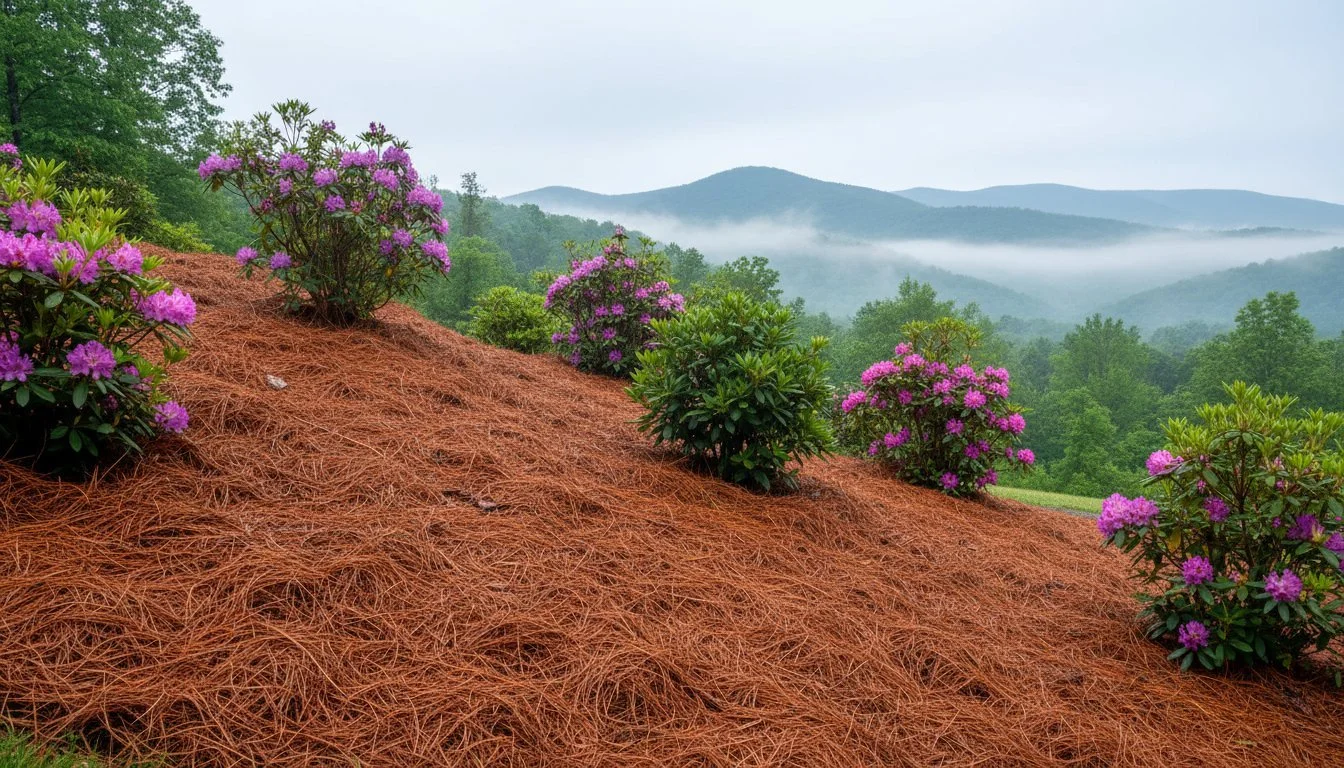
Every heavy mountain rain in Watauga County sends thousands of cubic yards of standard wood mulch sliding into local drainage ditches. For property managers in Boone, this creates a recurring cycle of erosion and costly replacements that disrupt operational budgets. You shouldn't have to choose between an attractive landscape and a stable one. We recognize that maintaining professional grounds in the High Country requires a dependable solution that withstands our unique terrain. Using pine straw provides an interlocking structure that anchors itself to steep slopes, ensuring your investment stays where you put it.
You likely already know that Boone's average annual rainfall of 53 inches makes traditional landscaping a constant logistical challenge. This guide shows you how to leverage pine straw to protect your facility's assets while supporting the specific acidic soil needs of native plants, such as rhododendrons. We'll outline the practical benefits of this ground cover, from its ability to reduce soil erosion by up to 95 percent on steep grades to its long-term cost efficiency for large-scale properties. Discover how a simple shift in materials leads to more consistent results and lower maintenance requirements for your mountain landscape.
Key Takeaways
Understand how utilizing renewable landscaping materials supports long-term soil health and environmental sustainability in the High Country.
Discover why pine straw is the most effective solution for stabilizing steep mountain slopes and preventing erosion on your property.
Compare the cost-effectiveness and logistical benefits of lightweight materials versus traditional wood mulch for remote mountain locations.
Learn the professional application techniques and calculation methods required to achieve a clean, functional finish for your garden beds.
Identify the essential quality standards for sourcing fresh, local materials that ensure consistent moisture retention and aesthetic appeal.
What is Pine Straw and Why is it Essential for High Country Landscapes?
Pine straw is a foundational element of professional landscaping in Western North Carolina. It consists of the naturally shed needles from pine trees, specifically the Longleaf pine and Shortleaf varieties. This material offers a sustainable, renewable mulch solution for High Country properties. Harvesting occurs directly on the forest floor, so no trees are cut down or harmed during production. In areas like Boone and Blowing Rock, facility managers and homeowners rely on this resource to maintain a clean, professional appearance that respects the local ecology.
The material is particularly valued for its efficiency. Its lightweight composition makes it a practical choice for steep mountain slopes, where heavier wood mulches are difficult to manage. You can transport and spread it with minimal equipment, reducing labor requirements and improving operational timelines for large-scale projects. It provides a reliable barrier that protects soil while enhancing the property's visual appeal.
Longleaf vs. Shortleaf Pine Straw
Selecting the right variety depends on durability and project scale. Longleaf pine straw (Pinus palustris) is the premium choice for the High Country. These needles reach 14 inches in length and contain high levels of natural resin. This resin allows the needles to resist decay for up to 2 years, even in the damp, high-altitude climate of Watauga County. We provide this inventory in both square bales and large rolls. Square bales are ideal for precise work around delicate plantings, while rolls offer a high-volume solution for expansive commercial perimeters.
The Aesthetic Appeal in the NC Mountains
The visual impact of this mulch is immediate and professional. Its fine texture and rich auburn color provide a sophisticated contrast to the heavy timber and native stone architecture found throughout the Blue Ridge. It successfully recreates a natural forest floor, allowing landscaped beds to blend seamlessly into the surrounding environment. Pine straw is a lightweight, interlocking mulch ideal for the rugged terrain of Watauga County. Because the needles knit together, they remain stable on inclines where other materials might wash away during heavy seasonal rainfall. This stability ensures your landscape remains consistent and well-maintained year-round.
Top Benefits and Examples of Pine Straw in Boone Gardens
High Country landscapes require materials that work as hard as the people who maintain them. Pine straw offers a unique set of physical properties that address the specific environmental hurdles found in Watauga County. From the sharp inclines of Beech Mountain to the boutique gardens of Blowing Rock, this mulch provides a reliable foundation for long-term plant health and operational efficiency.
Solving the Erosion Challenge on Mountain Slopes
Stability is a primary concern for any facility manager or homeowner dealing with 45-degree angles. Traditional hardwood mulch often migrates downhill during the heavy rainfall events common in the Blue Ridge Mountains. Pine straw stays put. The individual needles feature a physical structure that allows them to knit together. This interlocking mat grips the soil surface, preventing wash-outs even on steep embankments in Foscoe. Data from the North Carolina Forest Service highlights how this natural carpet protects the soil profile from the impact of raindrops. It's a functional choice that reduces the need for frequent reapplications after summer storms.
Boosting Health for Acid-Loving Plants
The chemical composition of decomposing needles is a strategic advantage for mountain flora. As the straw breaks down, it gently acidifies the soil. This pH-lowering effect is vital for many nursery plants in Blowing Rock, including native Rhododendrons and Mountain Laurels. It's also the preferred choice for specialty crops like blueberries and azaleas that require a specific acidity range to thrive. By mimicking the natural forest floor, you're providing a consistent supply of organic matter that supports root vigor throughout the growing season.
Beyond soil chemistry and slope stability, this material excels at resource management. A standard 3-inch application provides several logistical benefits:
Weed Suppression: The thick, interlocking mat prevents sunlight from reaching weed seeds, stopping germination before it starts.
Moisture Retention: During the dry spells of the 2023 summer season, mulched beds retained significantly more ground moisture, reducing the need for manual irrigation.
Temperature Regulation: The airy structure provides a layer of insulation, protecting roots from the rapid temperature swings typical of the 3,333-foot elevation in Boone.
Maintaining a professional landscape requires dependable materials that deliver consistent results year after year. If you're looking for efficient landscape supply solutions for your next project, choosing the right ground cover is the first step toward a low-maintenance, high-performance garden.

Pine Straw vs. Wood Mulch: Making the Right Choice for Your Property
Selecting the right ground cover is a logistical decision that affects both your budget and your weekend workload. While wood mulch offers a dense barrier, pine straw provides a lightweight alternative that simplifies installation on large properties. A single bale typically covers 35 to 50 square feet at a 2-inch depth, making it a highly efficient solution for expansive landscapes.
Homeowners in remote areas like Vilas often prioritize pine straw because it is easy to transport. You can fit dozens of bales into a standard pickup truck, whereas wood mulch requires multiple trips or a heavy-duty delivery service. This weight difference also matters during application; carrying a 20-pound bale is significantly easier on the back than pushing hundreds of pounds of damp wood chips in a wheelbarrow.
The interlocking needles of the straw debunk the common myth that it blows away in the wind. Once the material settles and experiences its first rain, the needles knit together to form a stable mat. This layer remains intact even during the 20 to 30 mph gusts frequently recorded in the High Country. It provides a reliable solution for properties that face the brunt of mountain weather.
Visual preferences also play a role in the selection. Straw delivers a rustic, naturalized appearance that blends into the surrounding forest. If you prefer a manicured, high-contrast look for your home's front entrance, designer brown mulch offers a professional finish that defines garden edges clearly and maintains its color throughout the season.
When to Choose Pine Straw
Choose straw for large, naturalized areas or steep wooded slopes where wood mulch might wash away during heavy Appalachian rains. It's a cost-effective choice for projects requiring maximum coverage on a limited budget. This material is also safer for delicate perennials; its airy structure protects roots without crushing the soft stems of emerging spring plants.
When Wood Mulch Might Be Better
Hardwood mulch is the superior choice for formal, flat garden beds near a home's main entrance where a crisp, uniform look is required. For public or private play areas, playground mulch is the only safety-certified option that absorbs impact and protects children. Before starting your project, consult the How Much Mulch Do I Need " calculation guide to ensure you order the correct volume for your specific square footage.
How to Apply and Maintain Pine Straw for a Professional Finish
A professional landscape installation starts with a clean foundation. Before you distribute any material, remove all weeds and fallen leaves from the garden beds. This preparation ensures the material makes direct contact with the soil, which is essential for effective moisture regulation. Calculating your inventory needs is a critical step for operational efficiency. You should plan for one bale of pine straw per 50 square feet. This ratio provides a consistent depth of three inches, which is the standard required to suppress weed growth and protect root systems from Boone's temperature fluctuations. If you're working on a slope, increase the depth to four inches to account for natural settling.
When you begin spreading, shake the straw to loosen clumps. Even distribution prevents the material from matting down, which can block oxygen from reaching the soil. Use a pitchfork to move the material across the bed, ensuring a level, uniform surface from every angle. If you notice thin spots, add small handfuls to even out the texture rather than dumping large amounts at once. This methodical approach ensures you don't waste inventory while achieving a full, lush appearance.
The Art of the "Rolled" Edge
Professional crews use a specific technique to define bed boundaries and ensure long-term stability. Use a rake or a high-powered leaf blower to tuck the edges of the straw under itself along the perimeter of the bed. This "rolling" technique creates a rounded, structured border that keeps the material from migrating onto the lawn or driveway during heavy rain. It's a practical solution that provides a neat, manicured look, mimicking the high-end finish seen at professional business parks and municipal facilities. This step is vital for facility managers who need to maintain clean pathways for foot traffic and vehicles.
Seasonal Maintenance Tips
Maintaining the aesthetic and functional value of your landscape requires a steady schedule. Perform a top-dress refresh once a year to restore the vibrant auburn color that naturally fades under UV exposure. You don't need to remove the old layer; let the existing material decompose naturally to improve soil structure over a 12-month cycle. In the High Country, heavy snow can compress the material significantly. After the spring thaw, use a rake to fluff the material. This simple action restores the loft and insulation properties of the pine straw, ensuring your plants remain protected during late-season frosts. Consistency in this routine prevents the need for complete bed overhauls in the future.
For reliable inventory and bulk delivery, secure your seasonal pine straw solutions today.
Sourcing Quality Pine Straw in the High Country
Selecting the right pine straw involves more than just picking up the first bale you see. High-quality straw should be fresh, clean, and flexible. When straw is brittle or gray, it has already begun to lose the natural oils that provide its protective barrier. You should look for material that's free of excessive sticks, cones, and dirt. These contaminants don't just look messy; they can introduce weed seeds or pests into your garden beds. All Seasons Supply prioritizes clean inventory to ensure your landscaping remains pristine and healthy.
Local sourcing plays a critical role in the longevity of your mulch. Pine straw harvested from regions with climates similar to Boone's and the surrounding mountains is better adapted to our specific moisture levels. In the High Country, where some areas receive 50 or more inches of annual rainfall, the straw must interlock effectively to prevent erosion. Locally adapted needles provide a consistent texture that stays in place on slopes and during heavy mountain storms.
Bulk Delivery vs. Store Pickup
Managing a large-scale landscaping project requires efficient logistics. In Banner Elk, Beech Mountain, and Ashe County, the terrain often makes transporting dozens of bales a challenge for standard vehicles. We offer bulk mulch delivery in Boone, NC, to streamline this process. This service ensures that contractors and homeowners receive their materials directly at the job site, saving time and reducing physical labor. Our team handles high-volume orders with the same precision as a single bale purchase. If you prefer to visit us, our nursery staff provides expert advice on application rates and plant-specific needs to ensure you get the right amount for your square footage.
Your One-Stop Shop for High Country Landscapes
All Seasons Supply functions as a comprehensive resource for mountain property maintenance. We provide integrated solutions that go beyond simple product sales. Our inventory includes everything from nutrient-rich soil to decorative stone and premium pine straw. This allows you to coordinate all your materials from a single, reliable source. We invite you to visit our garden center to inspect our straw quality firsthand. You can feel the texture and see the color before making a commitment. Our team is available to help you develop personalized landscaping plans that account for the unique challenges of high-elevation gardening. We focus on building long-term partnerships by delivering consistent value and dependable service every season.
Secure Your Landscape’s Health for the Upcoming Season
Maintaining a healthy landscape in Boone requires products that withstand the unique demands of the High Country climate. Choosing pine straw provides a natural, acidic barrier that protects soil health and suppresses weeds effectively throughout the changing seasons. Proper application ensures your garden beds retain moisture during dry spells while maintaining the professional aesthetic your property deserves. It's a practical investment in the longevity and beauty of your outdoor space that yields visible results year after year.
All Seasons Supply brings over 50 years of combined industry experience to every order. As a locally owned and operated partner, we understand the specific logistical needs of property owners across Watauga, Avery, and Ashe Counties. We've built our reputation on reliability and clear communication, ensuring your supplies arrive exactly when you need them. Our team focuses on providing consistent solutions that simplify your maintenance routine and keep your property looking its best.
Order Your Bulk Pine Straw and Mulch Delivery from All Seasons Supply Today!
We're ready to help you build a more resilient and vibrant landscape today.
Frequently Asked Questions
Does pine straw attract termites to my Boone home?
Pine straw doesn't attract termites to your Boone home because it lacks the cellulose found in wood-based mulches. Research from NC State Extension confirms that pine needles aren't a food source for these pests. Using this material provides a clean ground cover that doesn't encourage subterranean termite activity near your foundation. It's a reliable solution for facility managers who prioritize long-term structural integrity.
How many bales of pine straw do I need for my garden bed?
One standard square bale of pine straw covers approximately 50 square feet when applied at a 3-inch depth. If you're covering a 500-square-foot garden bed, you'll need 10 bales to achieve consistent coverage. This calculation ensures your landscape remains protected and visually uniform. Maintaining a 3-inch layer provides the necessary density to suppress weed growth effectively throughout the growing season.
Will pine straw make my soil too acidic for most plants?
These needles won't make your soil too acidic for most landscape plants. While fresh material has an acidic pH, it neutralizes as it decomposes and integrates into the earth. A University of Georgia study indicates that even consecutive years of application result in negligible changes in soil pH. It's a safe, stable solution for the diverse plant species found across North Carolina mountain properties.
How long does pine straw typically last in the North Carolina mountains?
This ground cover typically lasts between 6 and 12 months in the North Carolina mountains. The high moisture levels and seasonal temperature shifts in Boone contribute to natural decomposition. You'll notice the vibrant bronze color begins to fade after 180 days. We recommend a fresh application every spring to maintain the aesthetic appeal and protective benefits of your facility's landscape beds.
Can I put pine straw directly over old wood mulch?
You can apply this material directly over old wood mulch to refresh your landscape's appearance. This layered approach creates an integrated barrier that improves moisture retention for your plants. You must ensure the combined depth of both materials doesn't exceed 4 inches. Excessive mulch depth can prevent oxygen from reaching the root systems, which compromises the health of your trees and shrubs.
Is pine straw flammable and safe to use near my house?
These needles are combustible and require strategic placement to ensure property safety. The National Fire Protection Association recommends maintaining a 5-foot non-combustible zone around the immediate perimeter of your home. Use this mulch in garden beds located beyond this 5-foot buffer to minimize fire risks. This practice provides a professional landscape solution while prioritizing the safety of your facility and its occupants.
What is the best time of year to apply pine straw in the High Country?
Late March or April is the best time to apply fresh ground cover in the High Country. This schedule allows you to clear winter debris and provide protection before the spring growing season begins. A secondary application in October is also beneficial. It provides an extra layer of insulation that protects root systems when mountain temperatures drop below 20 degrees Fahrenheit, ensuring your operations aren't disrupted.
Does pine straw stay in place during heavy mountain winds?
The material stays in place even in strong mountain winds because the individual needles interlock to form a heavy mat. This interlocking structure makes it more resistant to displacement than wood chips or shredded bark. In areas where wind gusts exceed 40 miles per hour, the knitted texture of the needles provides a consistent cover that won't blow away or clutter your walkways, reducing your maintenance labor.